Artist of the Month: December 2025
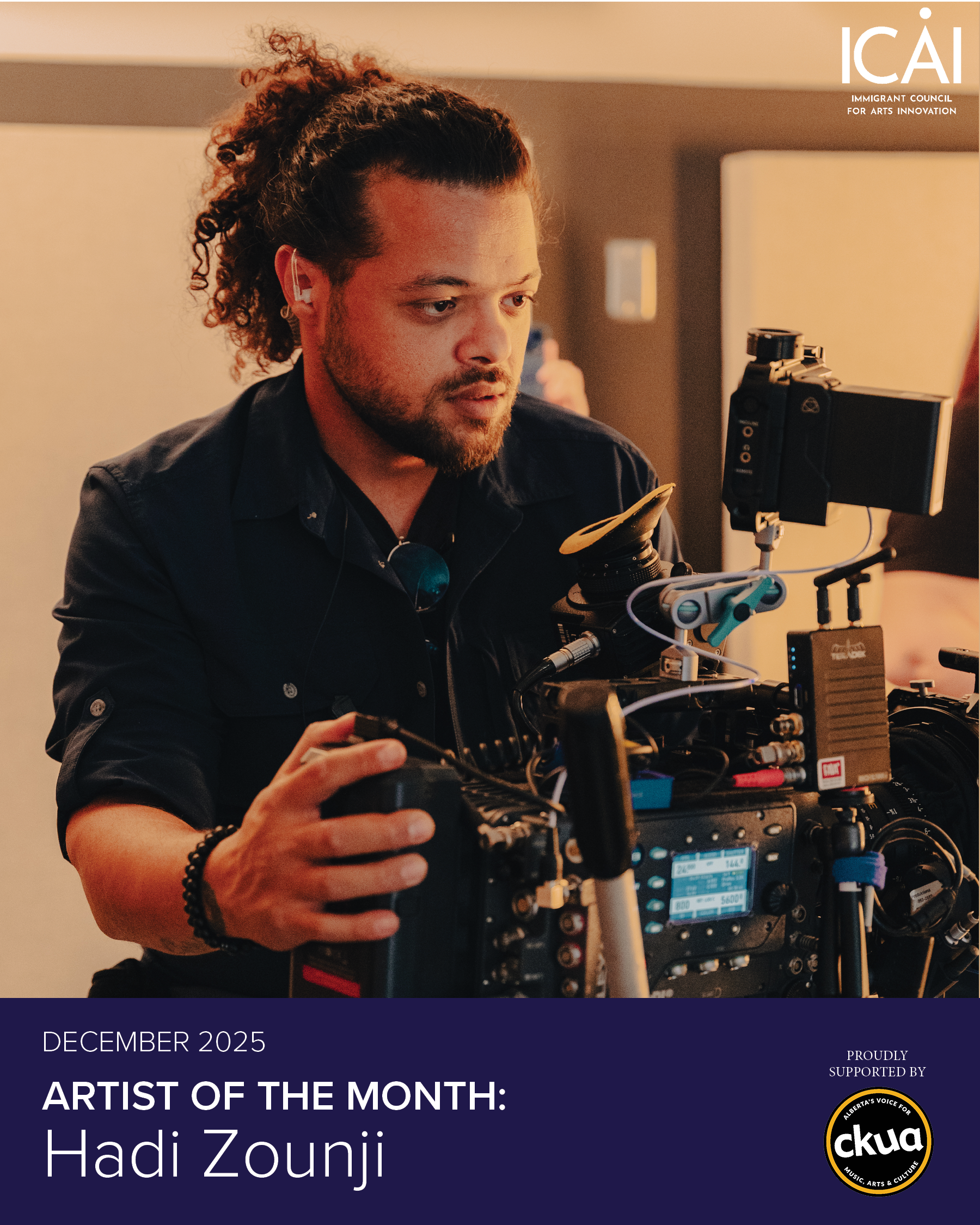
Cinematographer
Based in Edmonton, Alberta
Artist Bio
Hadi Zounji is a Director of Photography, camera operator, and certified Advanced Drone Pilot based in Edmonton, Alberta, Canada. With over a decade of experience in film and video production, he has worked on diverse projects across Canada, Dubai, Qatar, Africa, Lebanon, and Turkey. Specializing in short films, narrative storytelling, marketing content, documentaries, and promotional films, Hadi brings a cinematic eye and a global perspective to every project. His portfolio includes collaborations with notable organizations such as the City of Edmonton, Qatar National Bank, Toyota Motorsport Academy, Longines, Qatar Foundation, the U.S. Embassy in Qatar, and BloomBerg, among others. His recent narrative work includes "Please Stay," which earned him the Best Cinematographer award at the New York Independent Cinema Awards and the film was featured in various international festivals. "Autotheist," and "Sisters," have also been recognized at local and international film festivals. He also served as Director of Photography on the documentary "Cameroon: Land of the Welcome," which received international acclaim—earning a Gold Telly Award, two Bronze Telly Awards in 2023, and a Shorty Award in 2022. In addition, his work on the Qatar Foundation project "Showtime" garnered several prestigious honors, including recognition at the EVCOM London Film Awards, a Silver Award at the New York Festivals TV & Film Awards, and a Silver Dolphin at the Cannes Corporate Media & TV Awards.
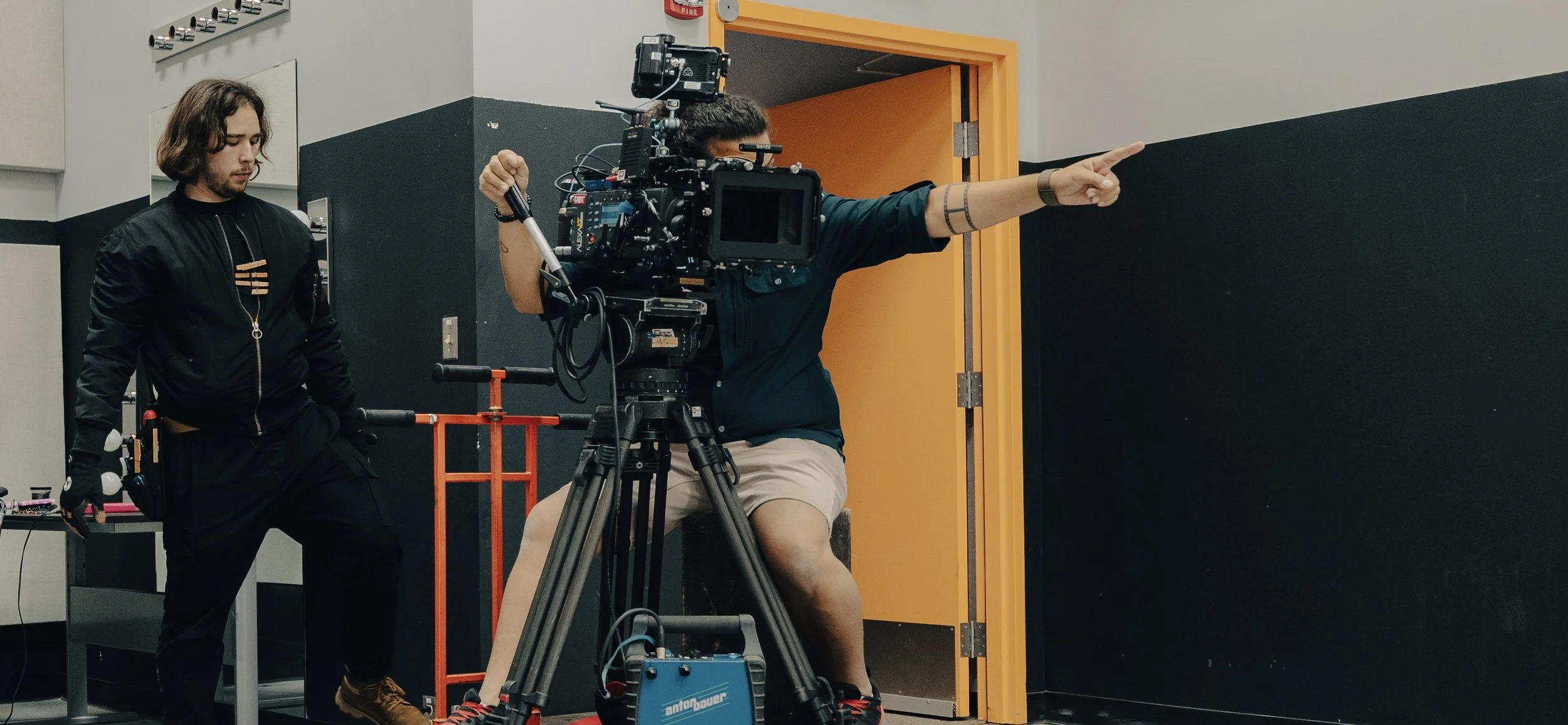
Your career has taken you across continents—from Lebanon to Qatar, Africa, and now Canada. How have these diverse environments influenced your eye as a cinematographer?
Each place has its own palette, light quality, and visual rhythm. Working in diverse environments exposed me to completely different visual cultures. The warm Mediterranean tones, the harsh desert light, the vibrant textures and movement in various African regions and the clean light of Canada, all of these shaped my sensitivity to colors, atmosphere and authenticity.
My visual style today is blend of everything I’ve seen. It’s allowed me to create images that feel familiar yet fresh, with a perspective that’s both global and personal. Also working with crews from different backgrounds taught me new ways to collaborate, These experiences improved not just my eye, but my ability to lead and connect on set.
Cinematography depends heavily on interpreting a director’s vision. When you join a new project, what is your process for connecting emotionally to the story you’re visualizing?
My first step is to read the script without thinking about the shots or techniques.
I read it for emotion and lock in on what I feel while I read and imagine the scenes; where I pause, where I gasp, where I feel anger or sadness or joy. That emotional first impression becomes the anchor for every visual decision that comes later. Then I sit with the director and let him take me through the script from their point of view. We talk about tone, tension, character psychology, sometimes without ever mentioning the camera. I want to understand what the story means to them emotionally. Once we’re aligned on the core feeling, the visuals flow naturally and it’s rare to have a case where my vision does not align with the director’s once we have discuss the emotional and driving forces of the script.


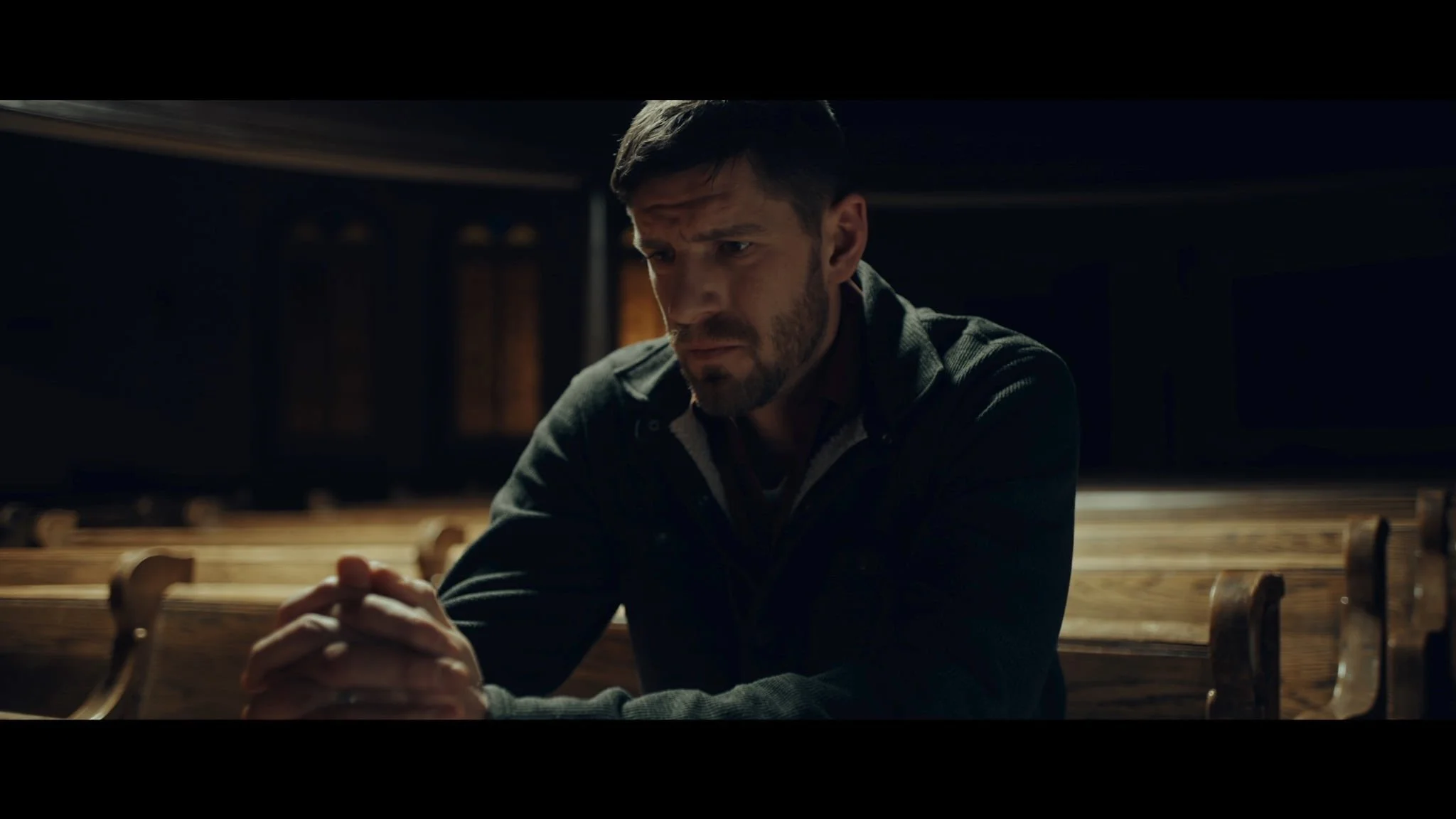
Please Stay by Julie whelan (short film)
As a newcomer to Canada, what were some of the most significant challenges you faced in establishing yourself as a creative professional, and how did you overcome them?
One of the biggest challenges was arriving in a place where no one knew me or my work. Back in the middles east and Africa, I had my network, but in Canada I had to rebuild everything from zero. I have been spending a lot of time attending local screenings and festivals, volunteering on various projects, meeting filmmakers and letting my work introduce me to the community. At the same time, I am learning the rhythm and culture of the industry here. Every region works differently, and I wanted to respect that. Even though I came with years of international experience, I understood that trust had to be earned locally.
This combination of rebuilding my network, adapting to a new culture and re-establishing my credibility is challenging, but it’s ultimately what will help me find my place here. Nothing good ever comes easily.


Exes by Ryder Hartam (short film)
You’re facilitating a Camera Operator workshop with FAVA this February. What knowledge or skills are you most passionate about passing on to emerging filmmakers?
What I’m most excited to pass on is the mindset behind camera operating, not just the technical steps. Anyone can learn buttons and settings, but operating a camera for a film project is really about sensitivity, awareness and intention. I want emerging filmmakers to understand how to read performance, anticipate movement and make choices that support the emotional truth of a scene.
I’m also passionate about teaching set communication and collaboration. A great camera operator isn’t isolated behind the viewfinder. They’re connected to the director, the DP, the actors and the entire crew. Learning how to communicate clearly, work efficiently and stay calm under pressure is just as important as nailing the shot.
Having worked in fast-paced international markets, what advice would you give to Alberta’s creative community—especially newcomers—about breaking into the film industry?
The biggest piece of advice I’d give is to be visible and consistent. The Alberta film community may seem small, but it’s incredibly welcoming. If you show up, volunteer, attend events and support other filmmakers, people notice. It’s so important to remember that supporting others and helping others succeed does not diminish one’s own success. Quite the opposite, it encourages others to also support you and build you up in your career.
Networking isn’t about impressing people; it’s about building genuine relationships.
Breaking in takes time, but if you combine consistency, humility and willingness to learn, the opportunities will come.
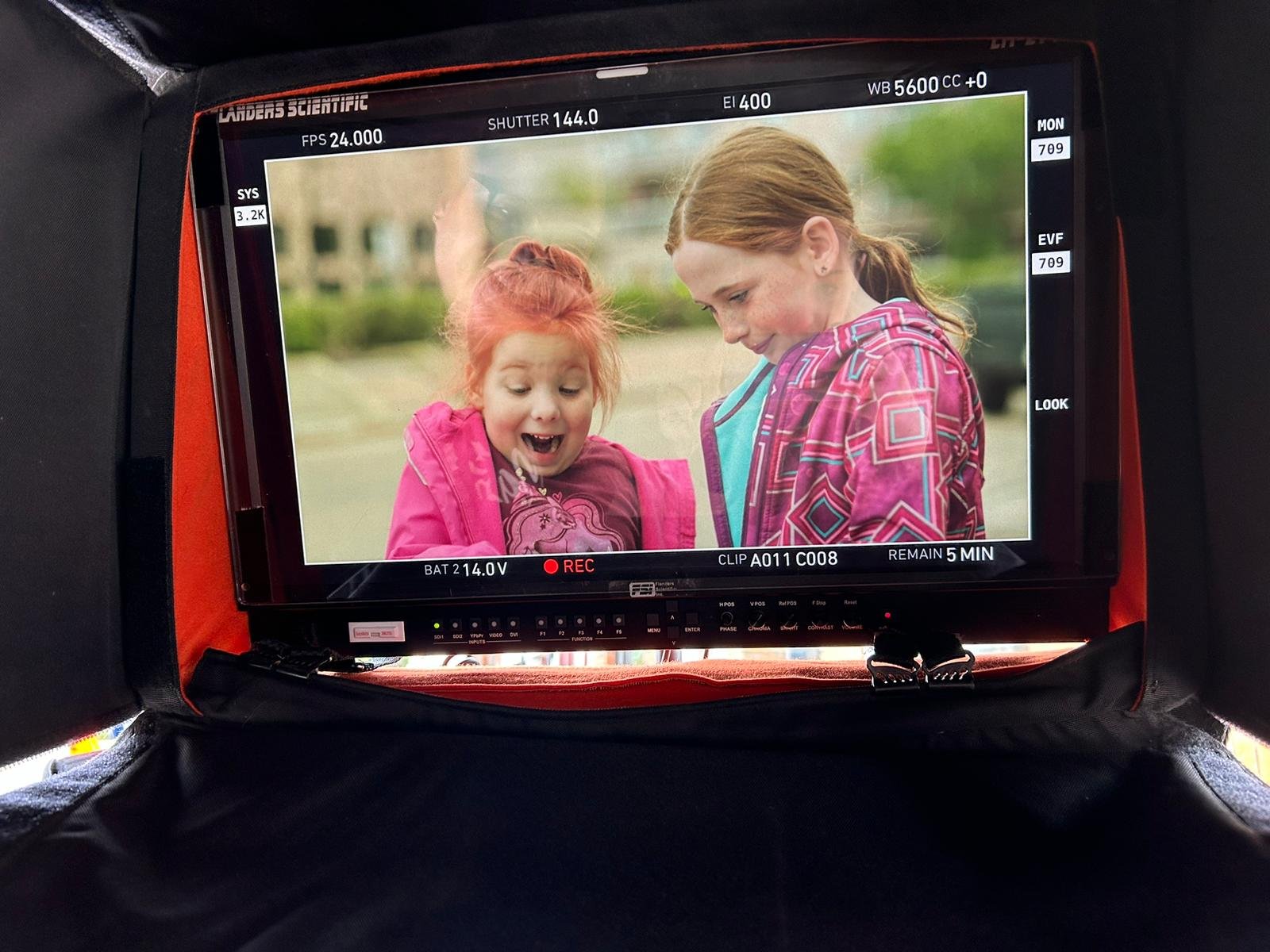
Sisters Short Film
Follow Hadi: