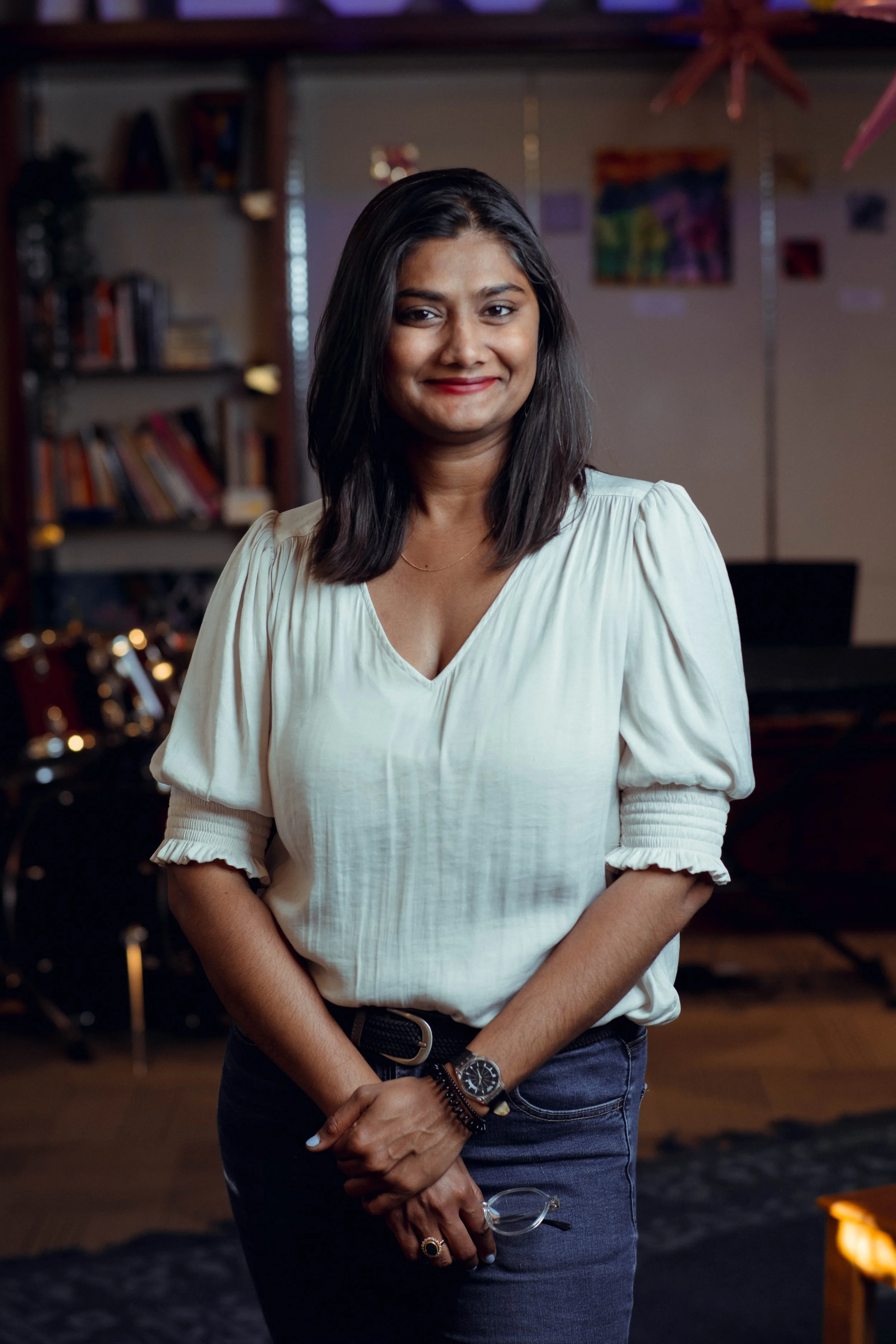
Artist of the Month: April 2026
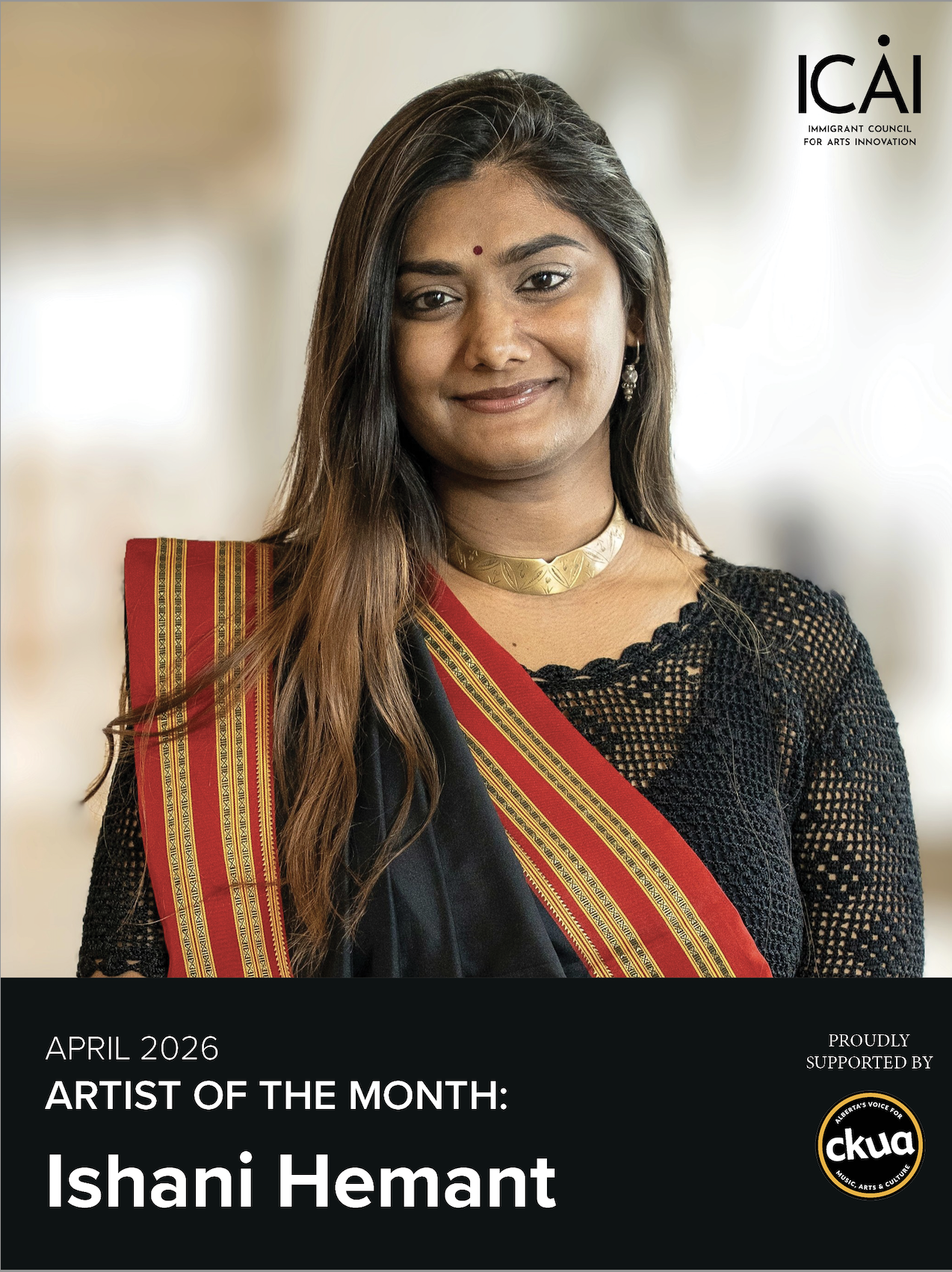
Arts Administrator / Multi-disciplinary Artist
Based in Banff, Alberta
Artist Bio
Ishani Hemant is a multidisciplinary artist and arts administrator whose work bridges performance, storytelling, and cultural programming. With a background in dance and theatre, she developed a deep interest in collaborative creation and the power of performance to connect communities.
Over the past decade and a half Ishani has worked across artistic practice and arts management, contributing to the development and presentation of diverse cultural experiences. She holds a Master’s degree in Cultural and Arts Management and Indian Culture.
Now based in Banff, she continues to explore performance and writing while working with arts organizations that support creativity and cultural dialogue. She is increasingly drawn to poetry, performance traditions, and storytelling, and is interested in developing projects that bring these forms together to create spaces for reflection, connection, and shared human experience.
Artist Background
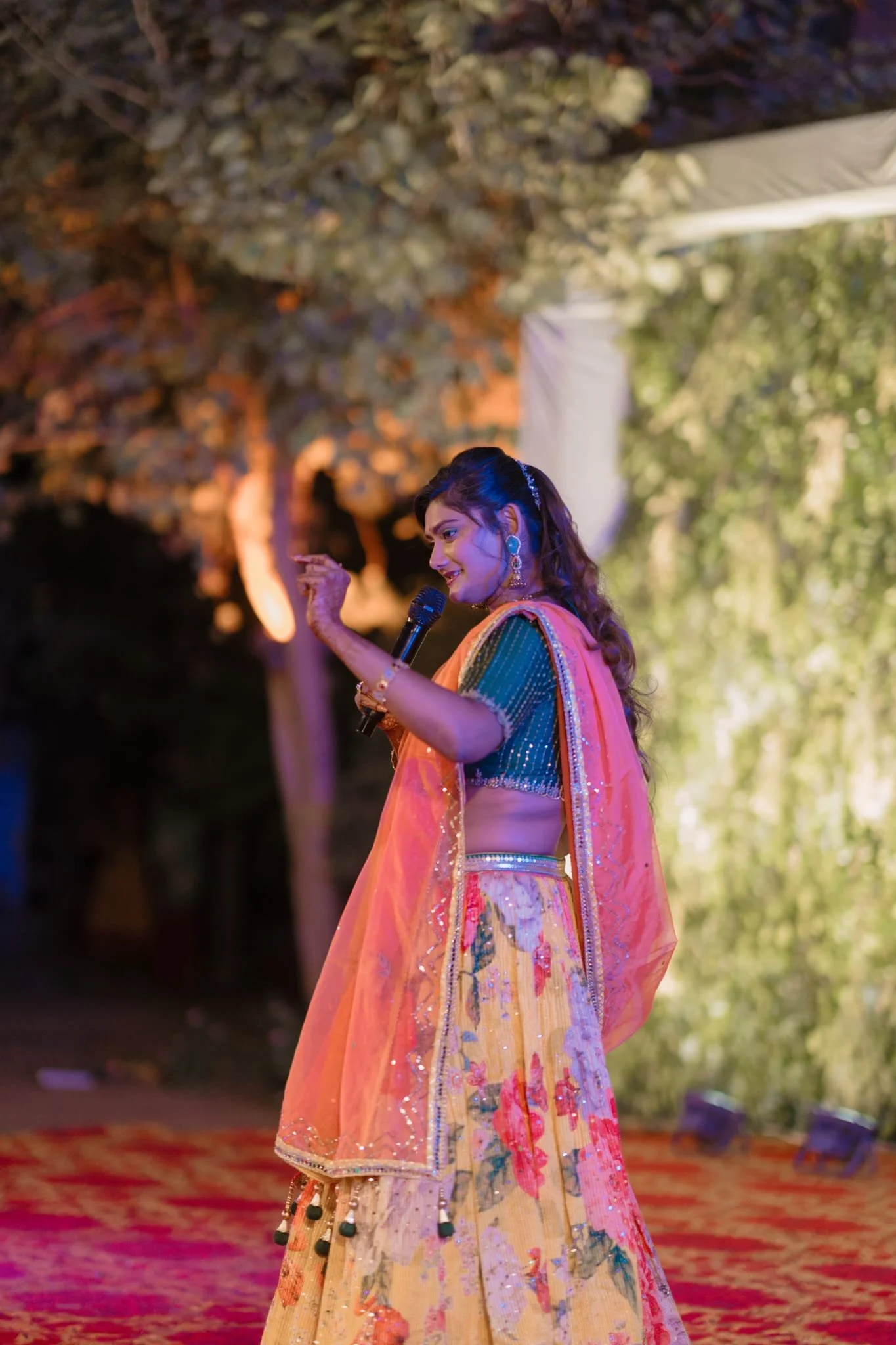
Ishani Hemant’s artistic journey began at the age of seven, when she attended her first Kathak class. Since then, she has found a deep sense of belonging and expression through dance. Her practice is rooted in dance and theatre, where she developed a strong connection to storytelling through movement and performance. Trained across these disciplines, she is invested in exploring how the body and voice can express layered narratives and emotional truths.
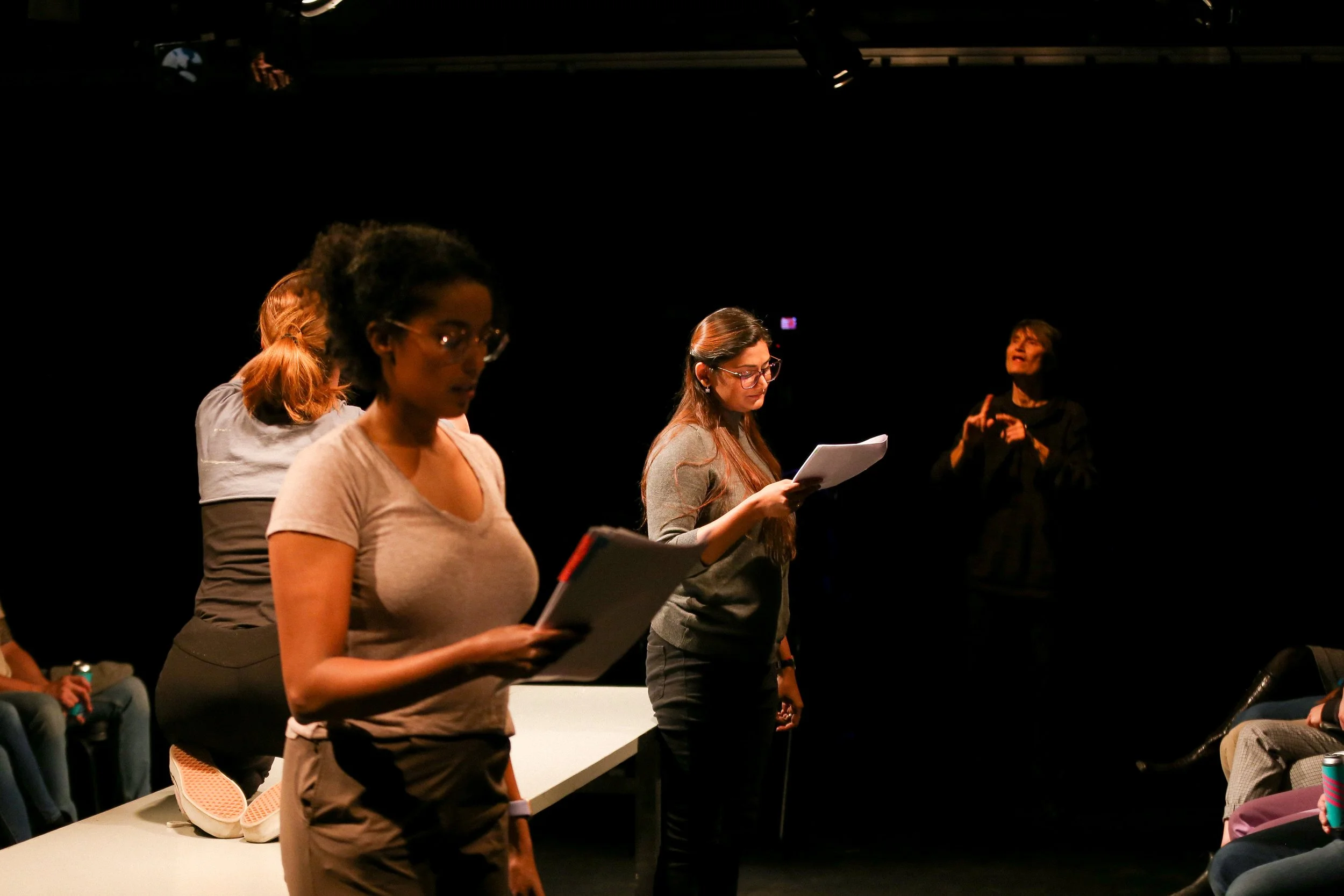
Her experience spans performance, rehearsal processes, and collaborative creation, where she has worked closely with artists to build and inhabit characters, rhythms, and worlds on stage. This foundation has shaped her sensitivity to timing, space, and audience connection.
Storytelling through dance and theatre remains central to her practice. She is particularly interested in presenting traditional forms through accessible, contemporary narratives that resonate with global audiences, while continuing to explore performance, writing, and poetry.
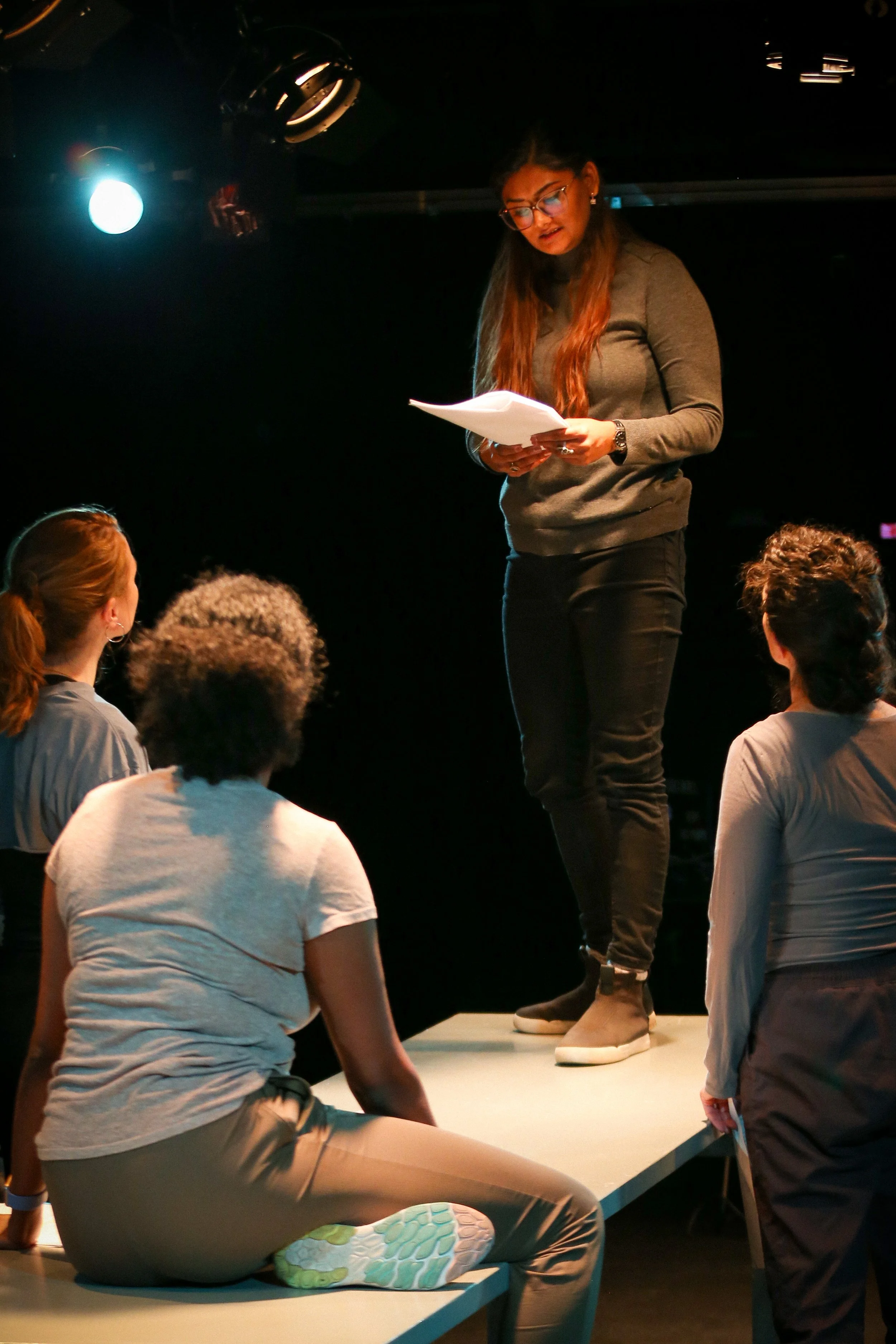
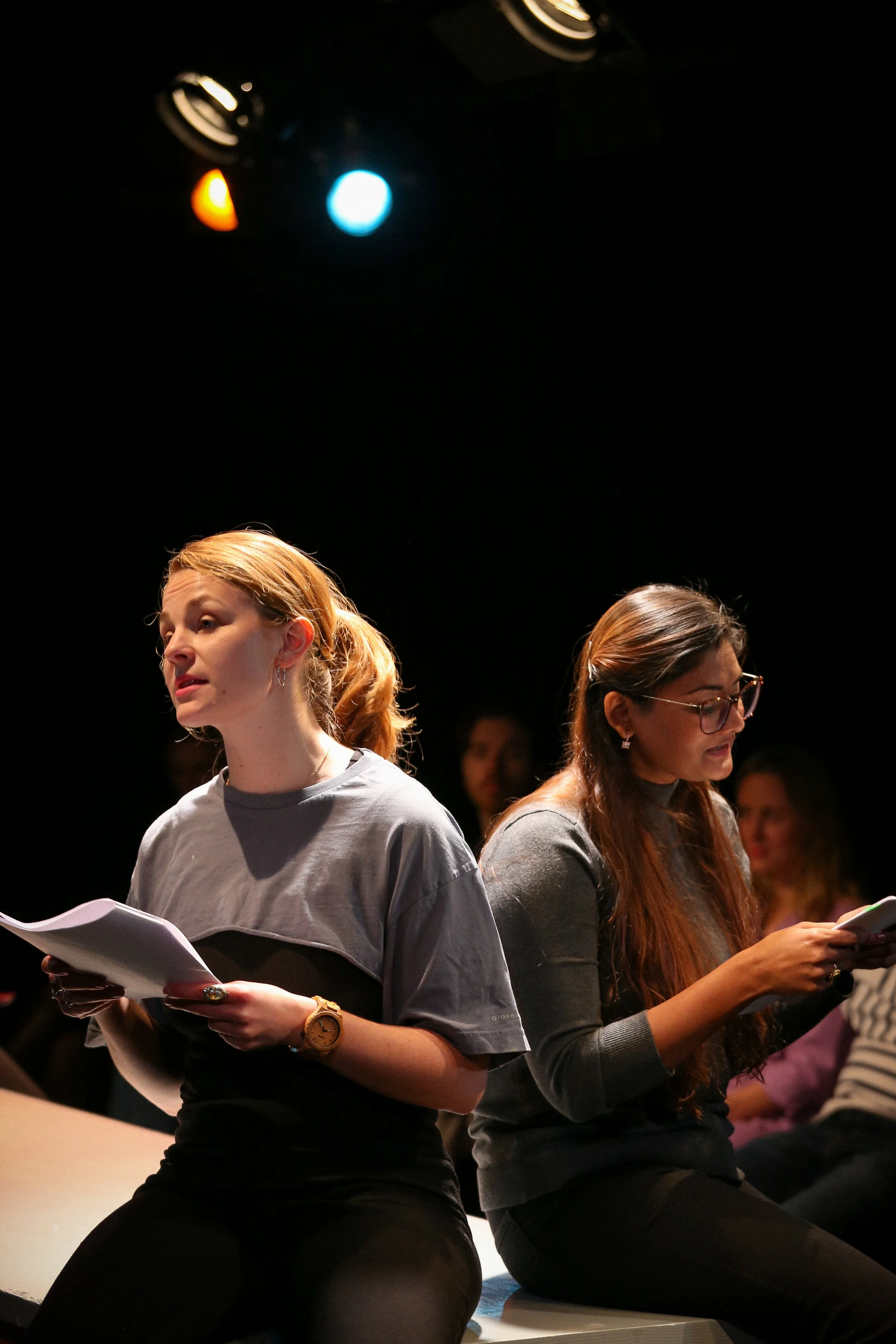
Your artistic journey began at a young age with Kathak, how has that early foundation shaped the way you approach storytelling across disciplines today?
Kathak gave me a way to express before I even had the language for it. I think that’s stayed—this instinct to feel a story in my body first, before I try to intellectualize it. Even in theatre now, I’m always thinking about rhythm, stillness, gesture… how much can be said without saying anything at all. It also gave me a sense of belonging early on, and I’m constantly trying to recreate that feeling—both for myself and for the audience.
Breaking into a new creative ecosystem isn’t easy, what were the moments, spaces, or people that helped you begin building your place within the local arts scene?
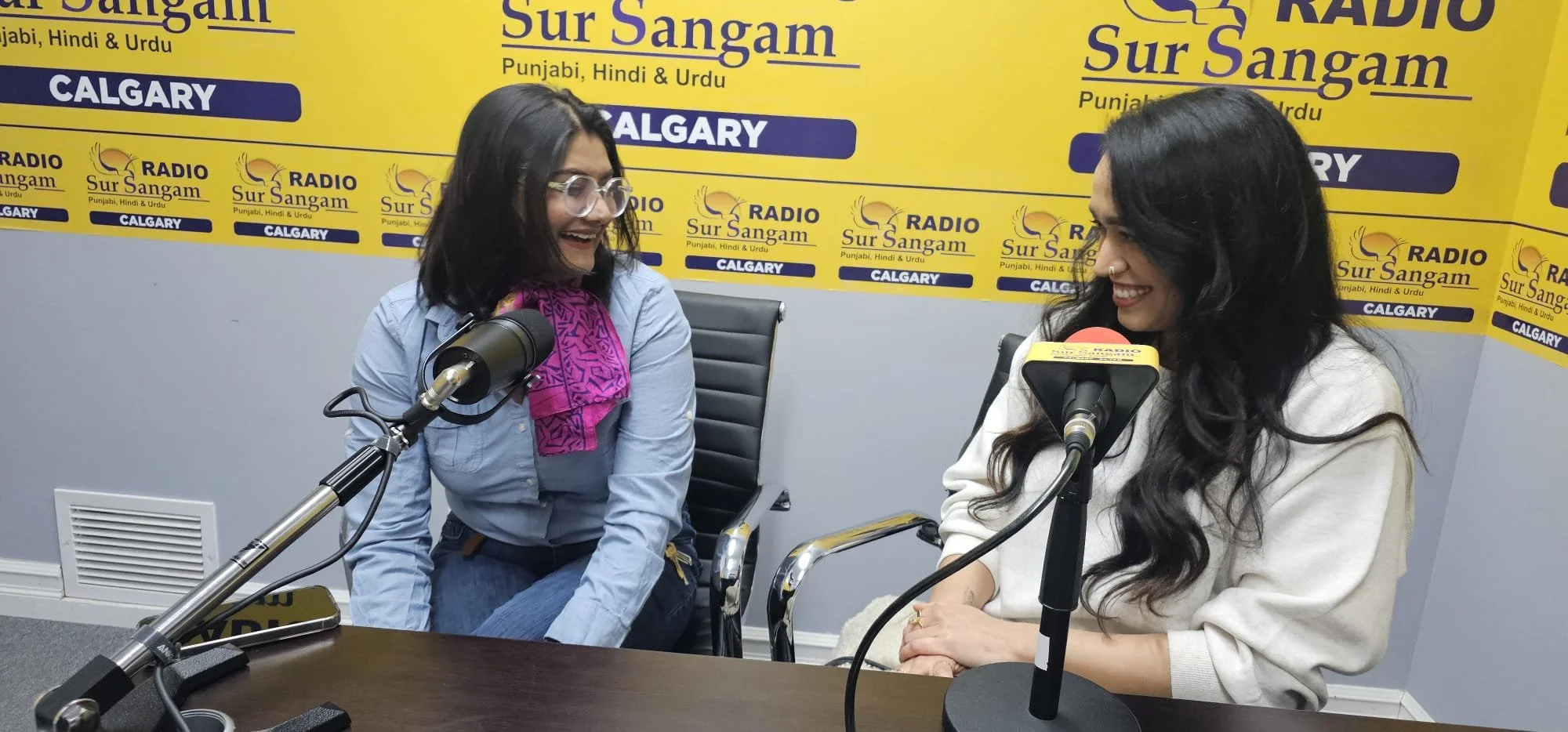
It was definitely challenging in the beginning, especially coming without a network. What helped were spaces like the Alcove Centre for the Arts & ICAI that encouraged participation and learning, and people like Joshua Dalledone, Bethel Afework, Sayson, Dennis Lee, Harpreet Dayal and Sara Leishman, who were open and generous with their time. Programs, workshops, and simply showing up consistently made a big difference. Over time, small connections turned into meaningful relationships, and that’s what really helped me find my footing.
A huge shout-out to the team at ICAI and all the wonderful people I’ve met in the community—your support and openness have meant so much to me.
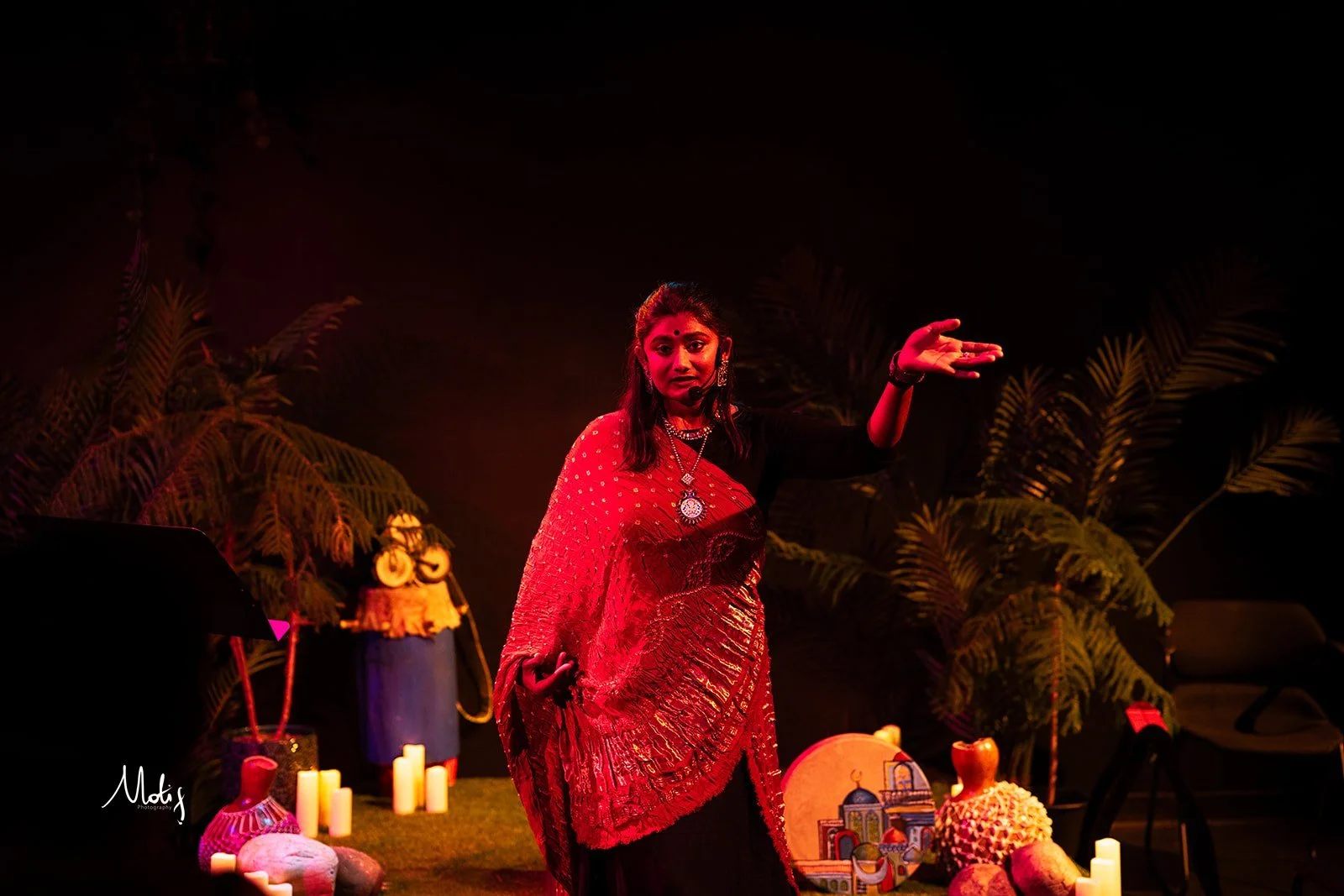
Right now, what does your creative life actually look like, what are you building, rehearsing, or developing behind the scenes?
Right now, it feels like I’m gently finding my way back to myself as an artist. For a while, survival and settling in took priority, but now I feel ready again. I’m reading more, writing a little, moving my body again, and slowly rebuilding a practice that feels honest. There isn’t one big project yet—it’s more about showing up consistently and allowing things to take shape without rushing them.
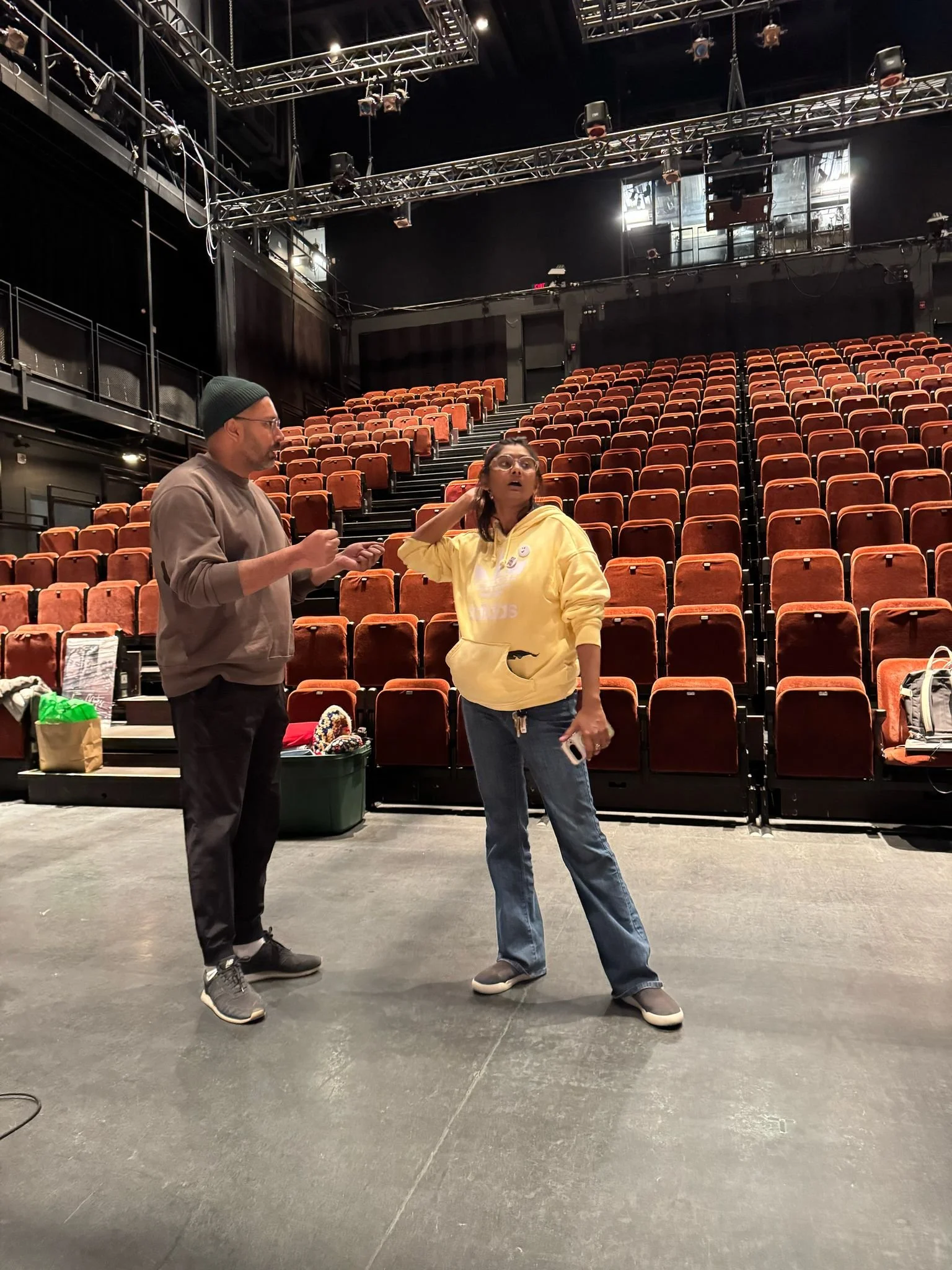
Looking ahead, what are the specific stages, projects, or opportunities you’re actively working toward in the next chapter of your practice?
I really want to be on stage more—that’s something I deeply miss. I’m working towards building projects that bring together poetry, performance, and traditional forms in a way that feels intimate and accessible. I’m also drawn to creating smaller, more personal performance spaces where storytelling can feel direct and human. More than anything, I want to build a practice that feels like home again—something consistent, honest, and deeply connected to who I am.
What advice would you give to others trying to sustain both an artistic practice and a role in arts administration?
It’s a constant balancing act, but I think the key is to not let one replace the other. Your administrative work can inform your artistic practice, but it shouldn’t become a substitute for it. Make time—even in small ways—to stay connected to your art. And be patient with yourself; some phases will be more about building stability, others about creating. Both are important.
Follow Ishani