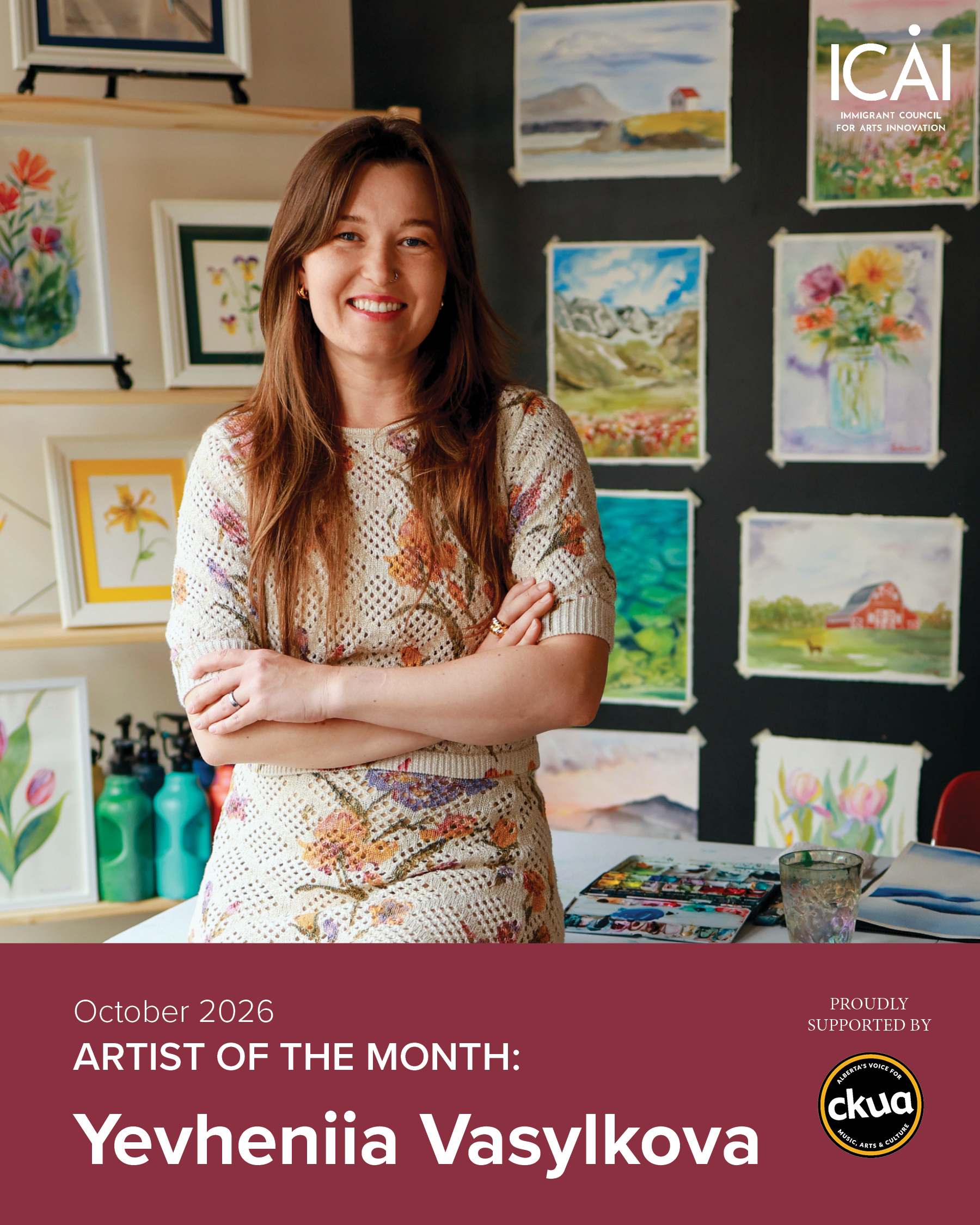
Artist of the Month: October 2026
Visual Artist
Based in Airdrie, Alberta
Artist Bio
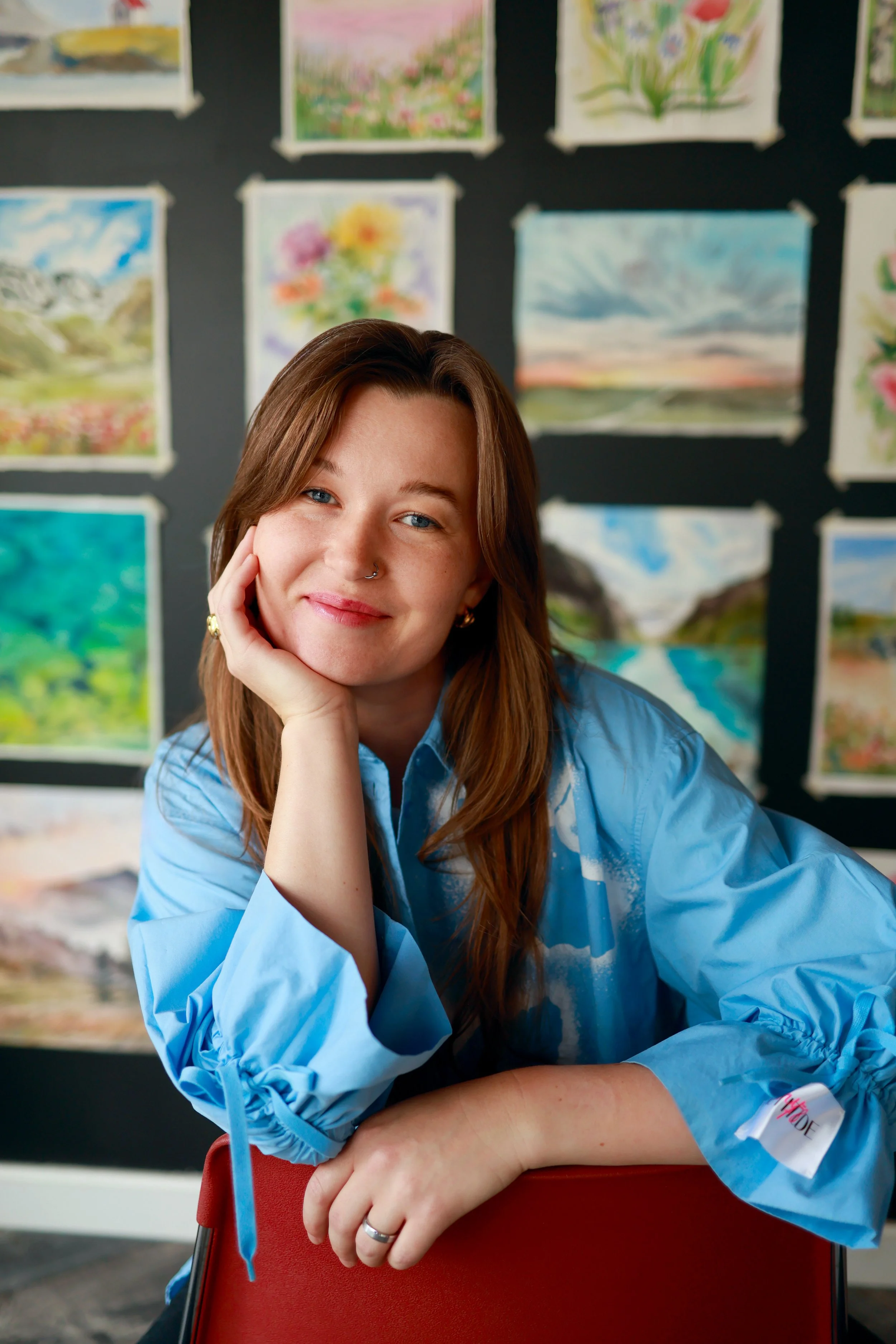
Yevheniia Vasylkova is a Ukrainian queer visual artist and arts instructor based in Airdrie, Alberta. Yev’s artwork explores themes of displacement, identity, and mental health, using them as catalysts to investigate the healing potential of artistic expression, community, and nature.
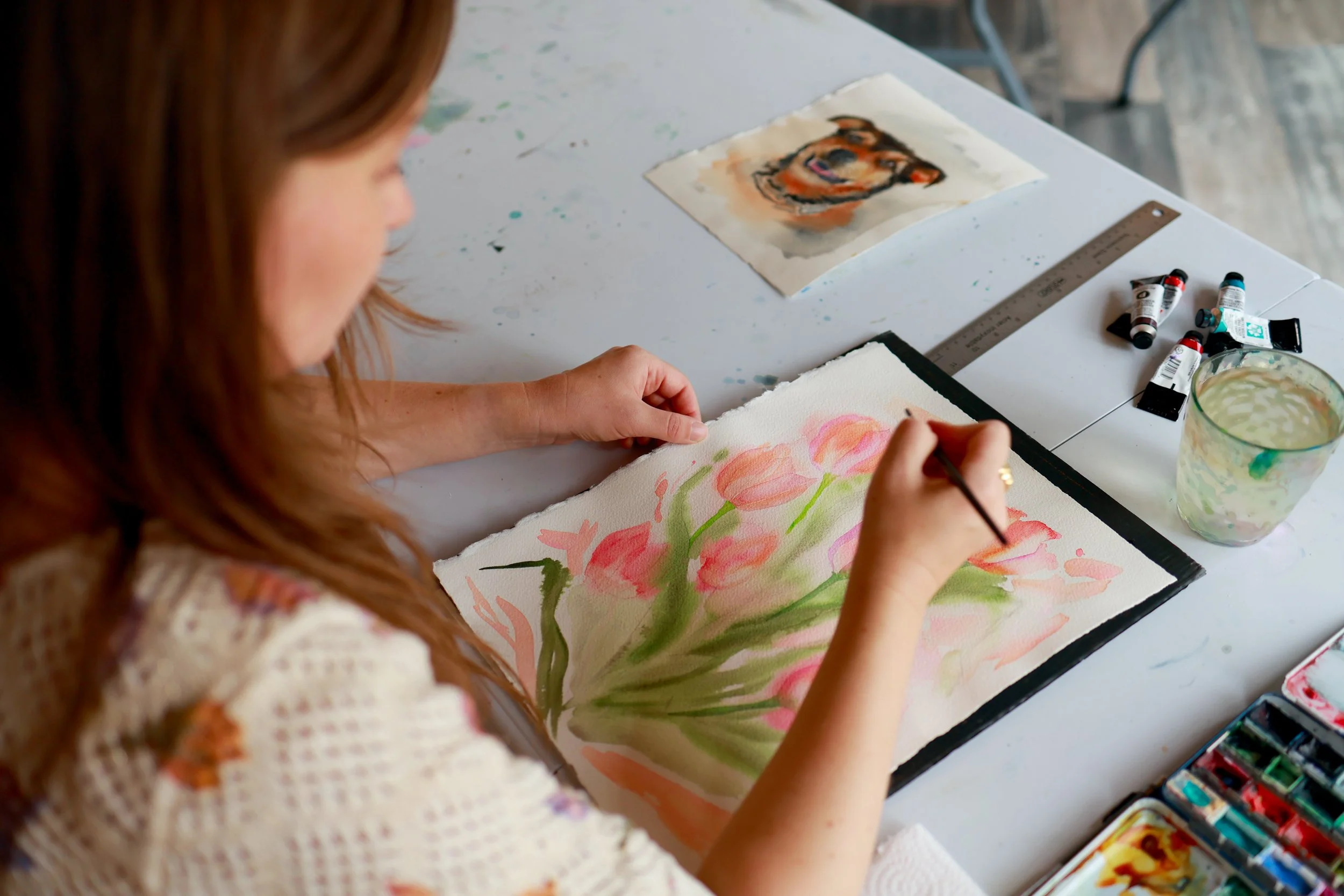
Working primarily in watercolour, alongside collage and interactive media, she creates works that encourage reflection, dialogue, and connection. Her practice often extends into community-focused workshops and collaborative projects, where she engages diverse audiences in conversations around creativity as a tool for resilience and well-being.
Artist Background
Yevheniia has been creative her whole life, exploring visual arts, dance, and singing from an early age. As a teenager, she attended art school for five years before stepping away to pursue a different career path. Ten years and a couple of occupations later, she found her way back to art.
After several years working as a graphic designer and marketing specialist, Yevheniia transitioned to a full-time art practice in 2025, finally giving herself the space to pursue her lifelong passion professionally.
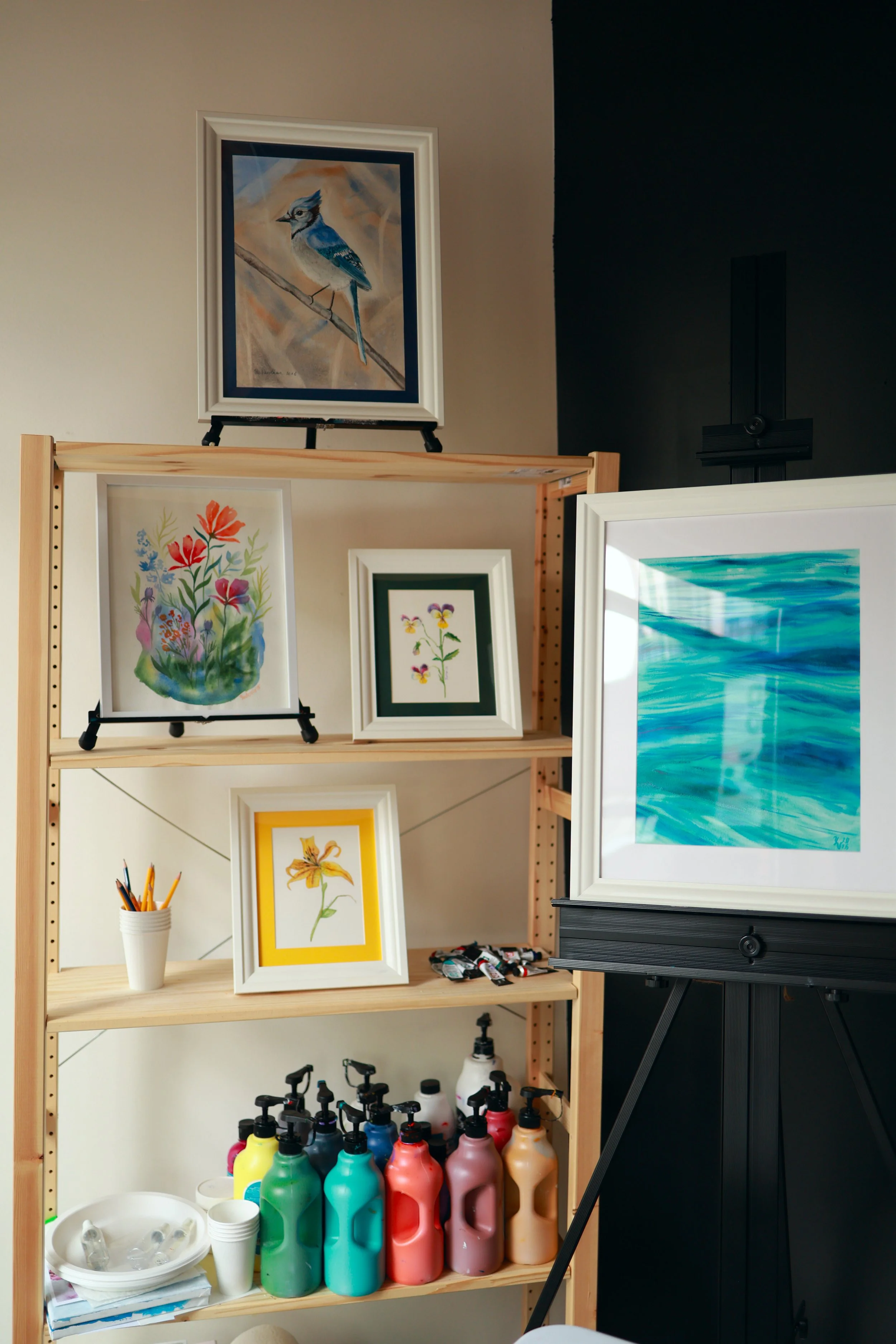
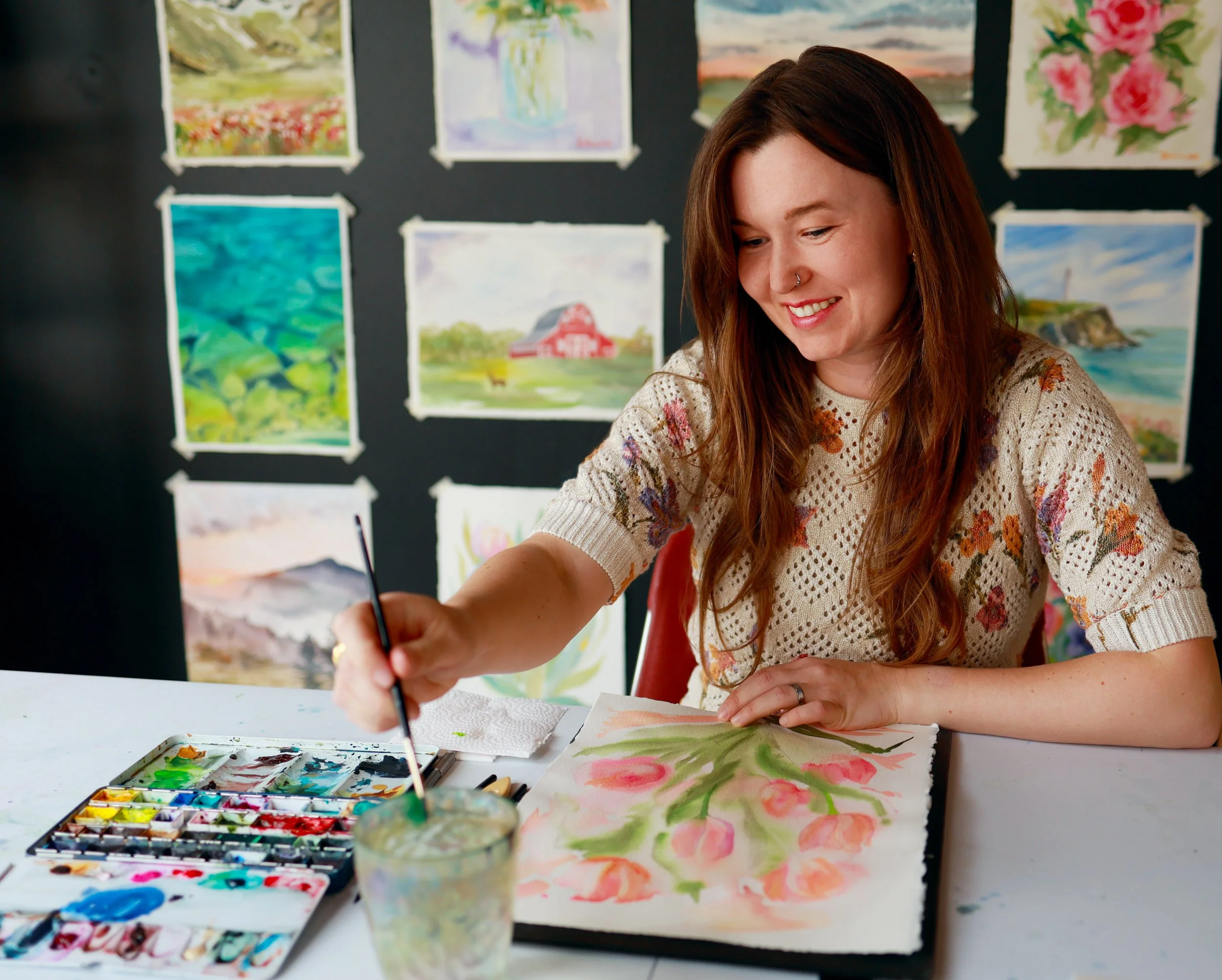
You mentioned that you returned to art after about ten years away. What brought you back to art, and what made 2025 the right time to pursue it full-time?
It’s funny, because both times I stepped away from a “regular job,” I ended up defaulting back to art.
In 2020, I was unemployed for a while, and one night my mom suggested I try painting along with a watercolour tutorial on YouTube. It made me so happy that I ended up painting every day for the next few months, and for the first time, I seriously tried to make a living as an artist. It didn’t really work out at the time, so I eventually took an office job and continued painting in my free time.
Then, in 2022, the full-scale invasion in Ukraine started, and my life became focused on immigrating to Canada: dealing with paperwork, making arrangements, and trying to navigate everything that was happening back home. But art remained a constant outlet for my emotions. I made videos about the war, participated in painting fundraisers and markets, and the dream of becoming a full-time artist stayed somewhere in the back of my mind.
Eventually, in 2025, the company I was working for in Calgary went through a mass layoff, and I found myself unemployed again. By that point, I had already transitioned to working part-time in an office and part-time as an artist, so I thought this might be my best chance to finally give art a real shot and become a full-time artist.
A year later, I still feel all the dread that comes with trying to make a living as a self-employed artist, and it definitely isn’t easy. But despite all the struggles of displacement and war, I also feel more fulfilled than I’ve ever been. And I think that’s what ultimately made it worth taking the leap.
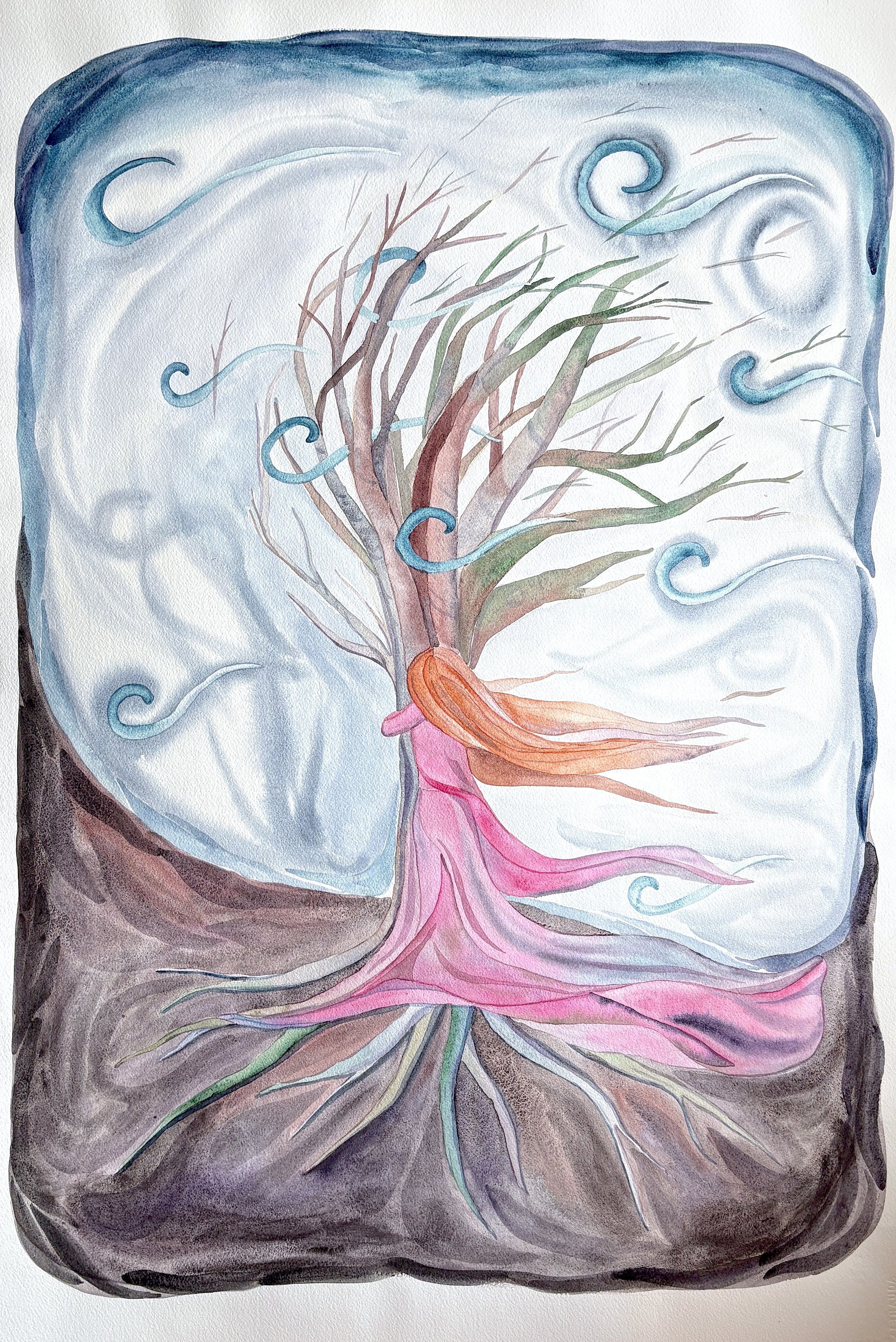
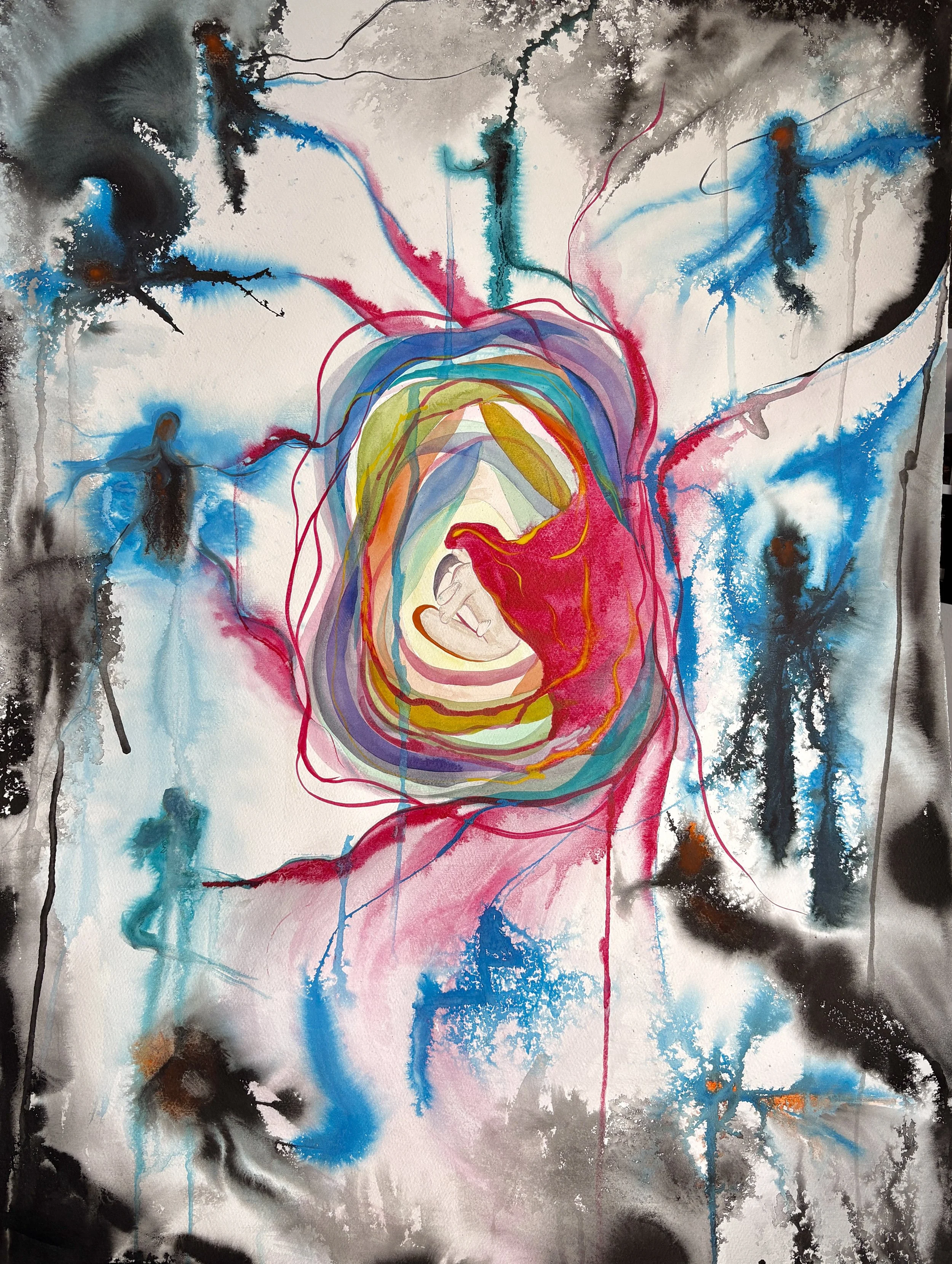
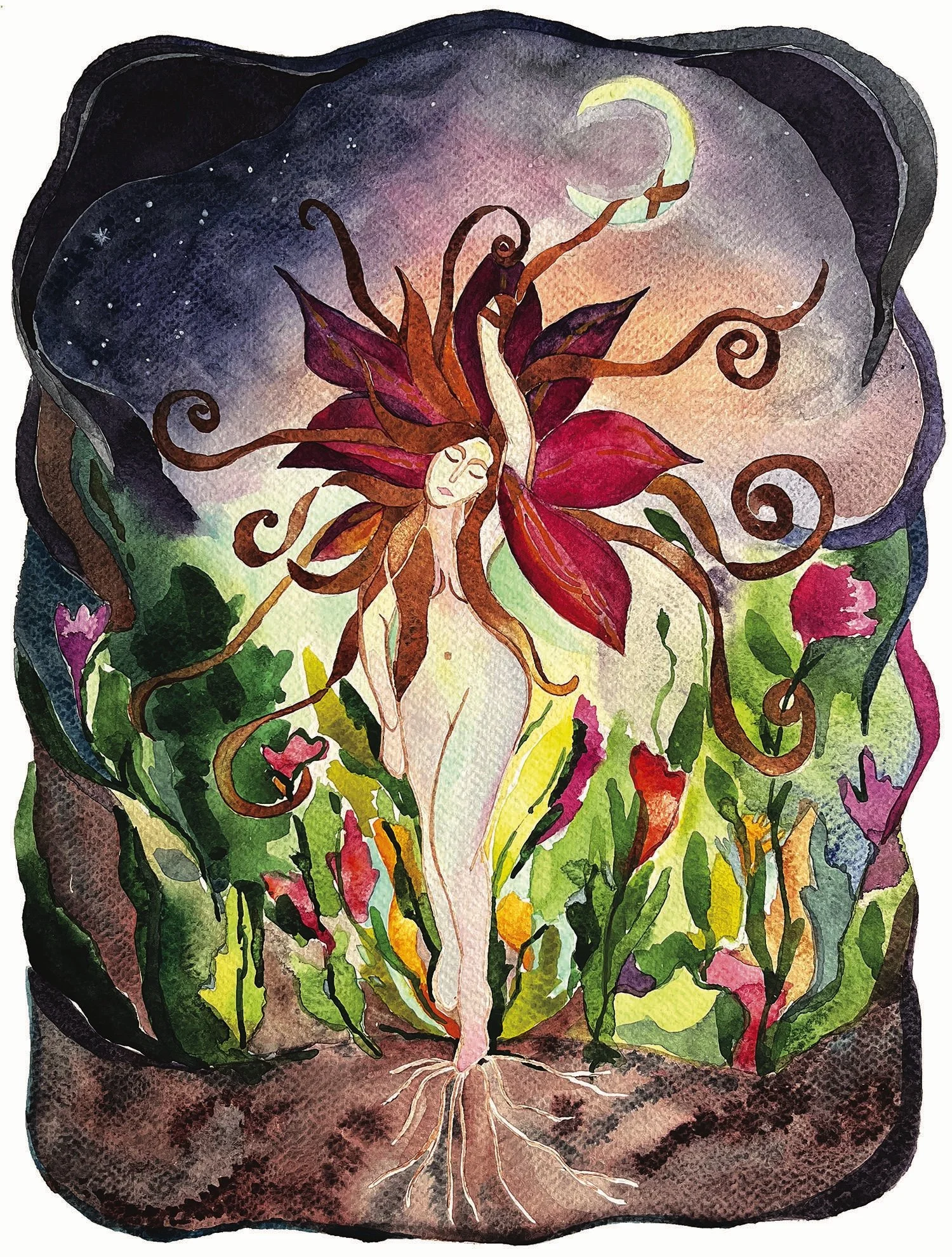
What does your creative process look like when you begin a new piece—from the first idea or emotion to the finished artwork?
Quite often, my art is a response to reading the news from Ukraine. My parents still live in Kyiv, as do many of my friends across the country. I check the news every day, and sometimes an idea for an artwork comes to me. I might paint something like an illustration of a borscht recipe because I miss home and feel hopeless, or a painting of flowers my mom grew in my garden when she came for a visit.
Other times, my paintings are a response to all the emotions that come with immigration. The joy of feeling like I belong, felt during a walk with my dog, might transform into a painting of the sky I saw that day. A stormy body of water I encountered during a hike might become a painting when I’m feeling uncertain about my future.
So my process often starts with an emotion or a moment that stays with me. I don’t always know exactly what I’m trying to say when I begin painting, but the act of painting helps me process whatever I’m feeling and turn it into something tangible.
Who or what has had the greatest influence on your artistic development since arriving in Alberta?
Participation in the ICAI NAPP program has definitely been the biggest influence on my artistic development since arriving in Alberta. It gave me a lot of resources for navigating the art scene here and connected me with Katie Green, my mentor and friend, who has been an incredible supporter over the past year.
Another important program I participated in was organized by UWAA (Ukrainian Women Advancement Association). They connect Ukrainian immigrant women in Alberta with local mentors in similar professions who can offer guidance and support. Through that program, I met Allison Dawrant, a Canadian artist and a wonderful human being who helped me figure things out and find my footing.
And the last organization I want to mention is IN Art Studio in Calgary and its owner, Inna Nagaytseva. She is also a Ukrainian artist who moved to Canada in 2022. I’ve been teaching watercolour classes at the studio for the past six months, and I feel incredibly lucky to have met Inna, to have been given the opportunity to teach there, and to be part of the community of art instructors at the studio.
Looking back, it feels like I’ve met so many compassionate people on this journey. They have not only made a lasting impact on my artistic development, but have also made a huge difference in my life in Canada.
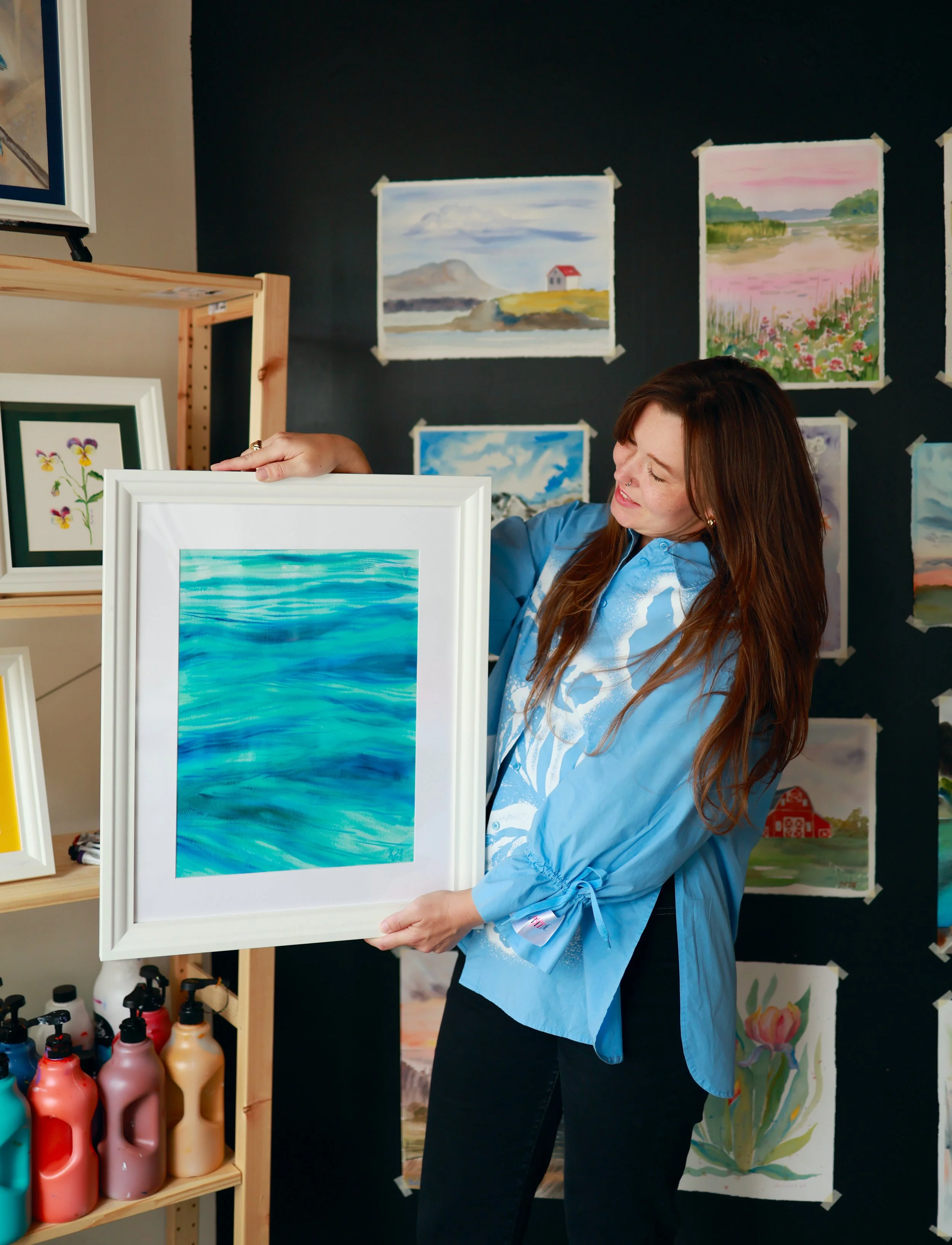
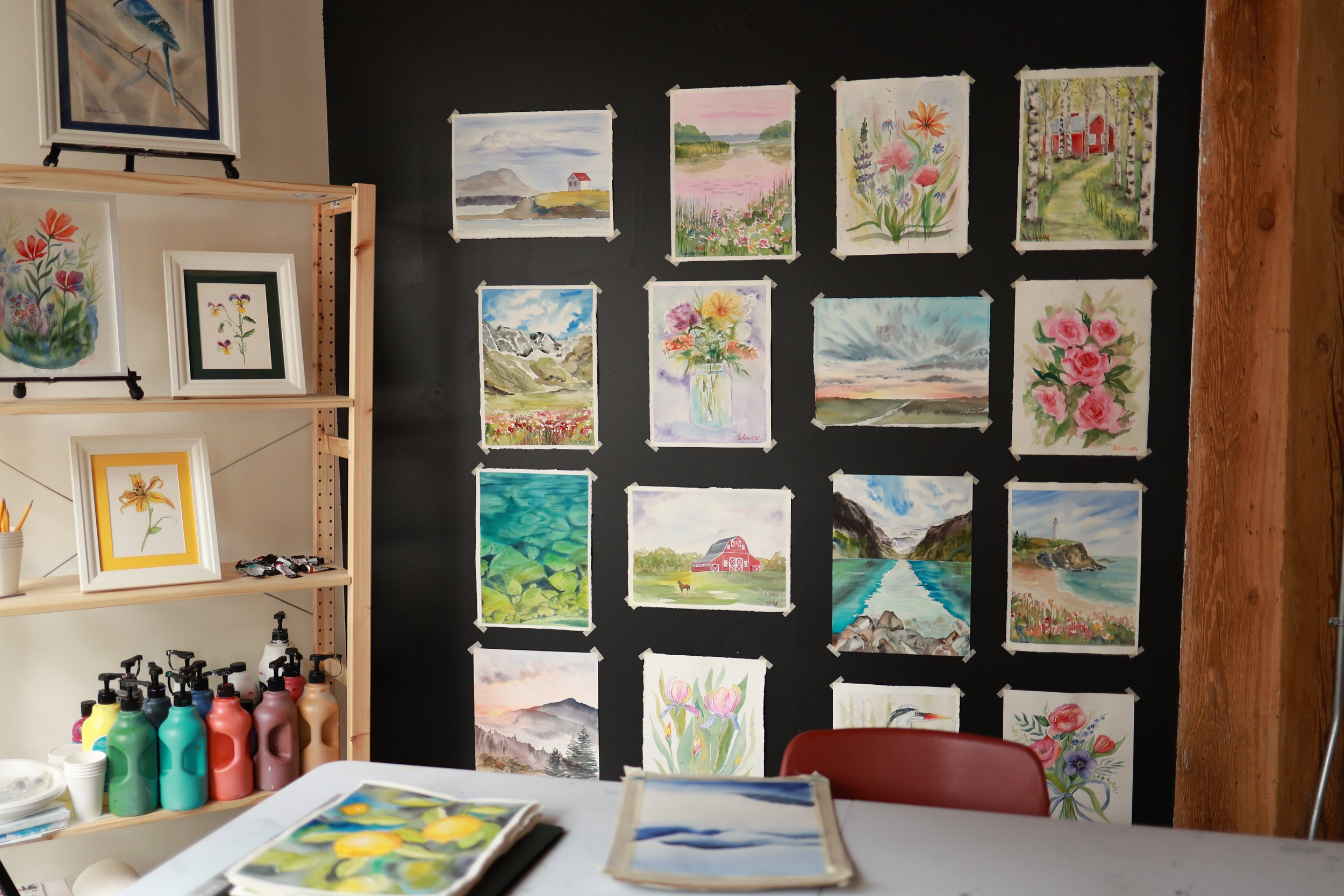
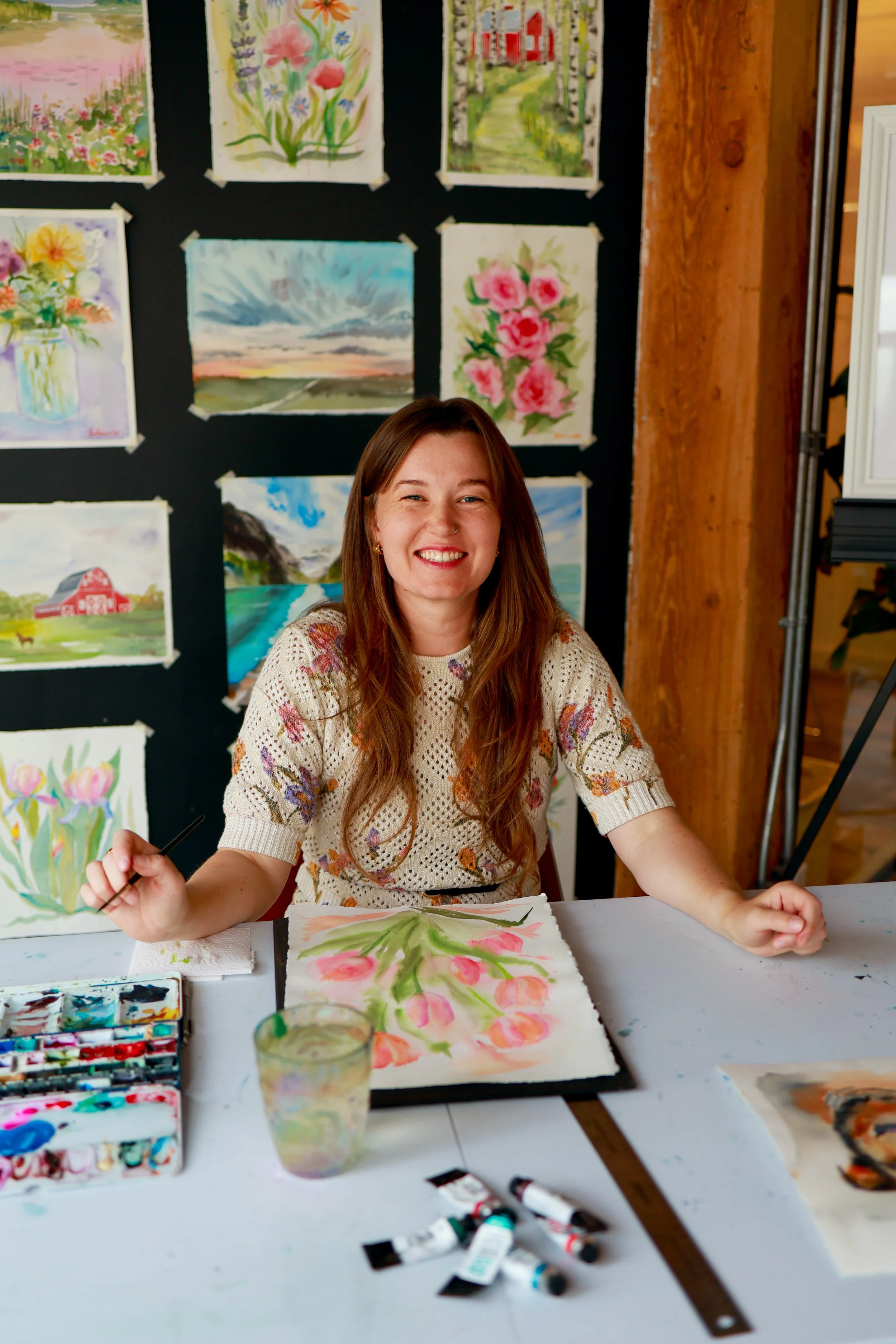
You described art as a way to process difficult emotions and connect with others. Can you tell us about a particular artwork or project where you felt that connection most strongly?
A project that comes to mind is called Healing Canvas, which I created for the Airdrie Christmas Market in 2024. I painted an illustration of a Ukrainian Christmas night and turned it into something that looked like an advent calendar, but only until you looked closer.
The illustration had little numbered windows that viewers could open. Behind each window was a photograph of a bombed place in Ukraine that had personal meaning to me: a destroyed apartment building next to the one where my parents live, a park where I used to walk my dog, and other places connected to my life back home.
Visitors could match each window number with its photo description to better understand the personal story behind the image. Then they could take a Band-Aid and “heal” the window shut.
I had many people tell me that the interaction helped them see the personal side of the war in a different way. News about war can often feel distant and numb, but this project allowed me to connect those distant images to specific places, memories, and people.
I felt like I was able to help people understand the impact of the war on the everyday lives of Ukrainians back home and on the Ukrainian community here in Canada. That connection with people through the artwork felt very special to me.
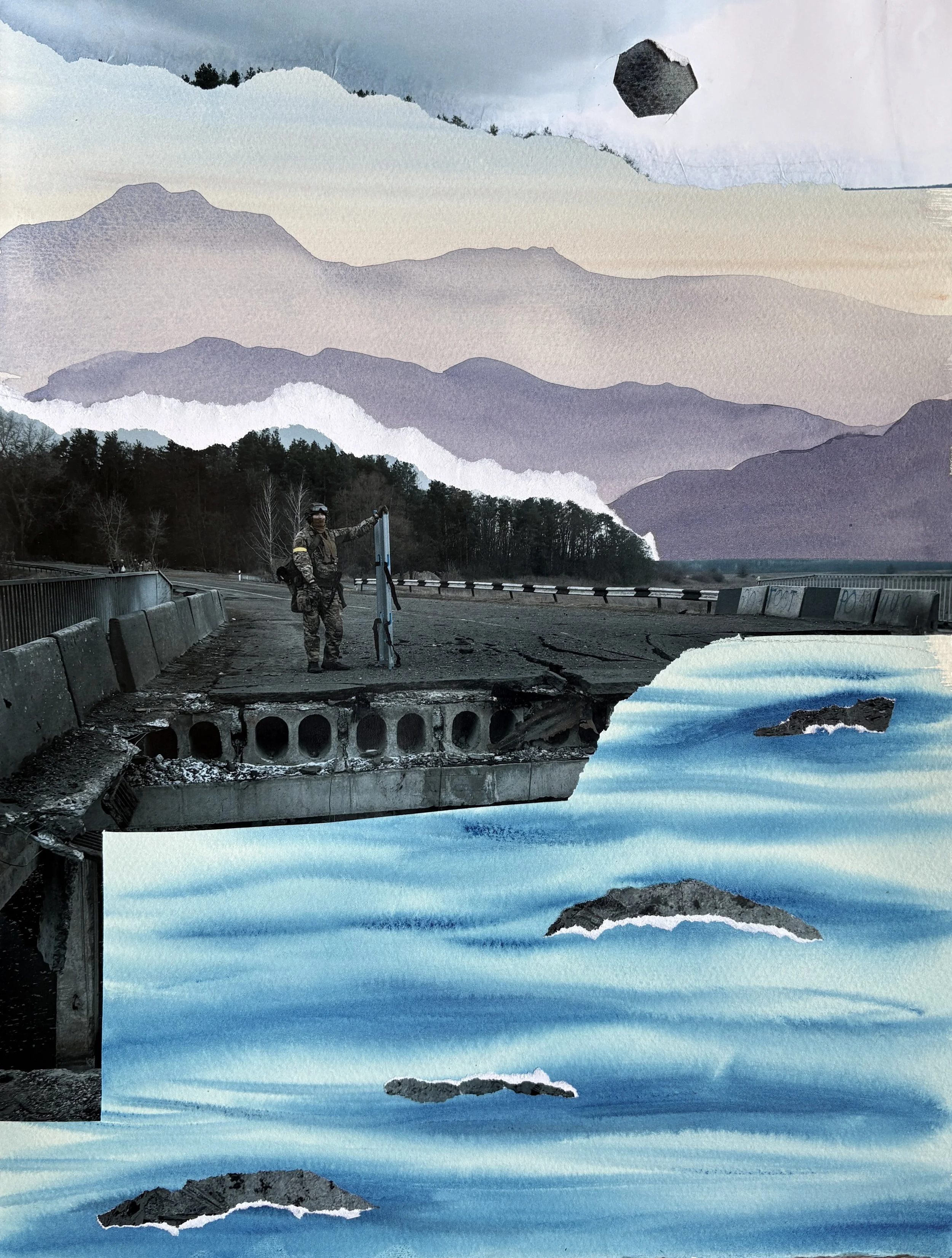
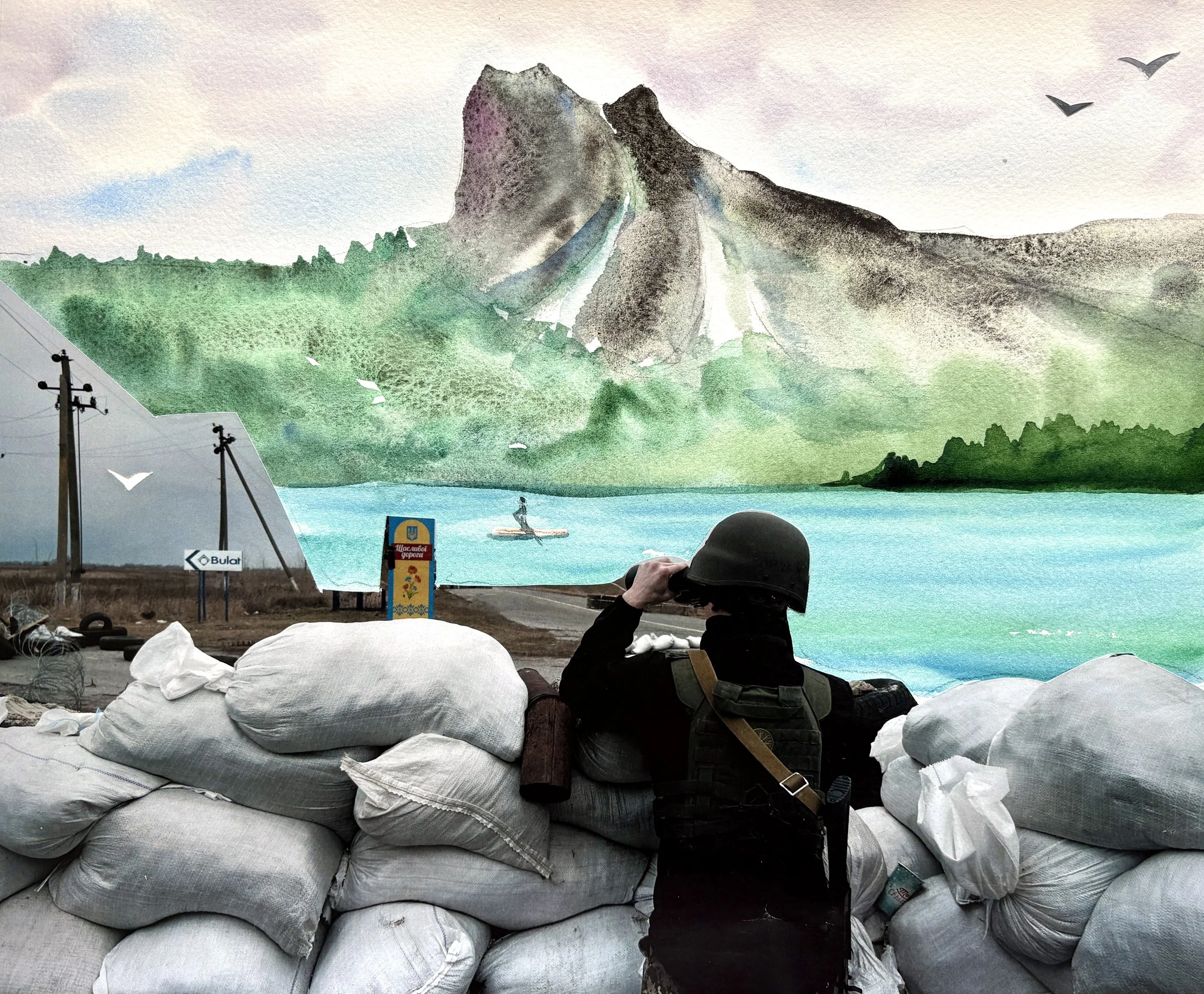
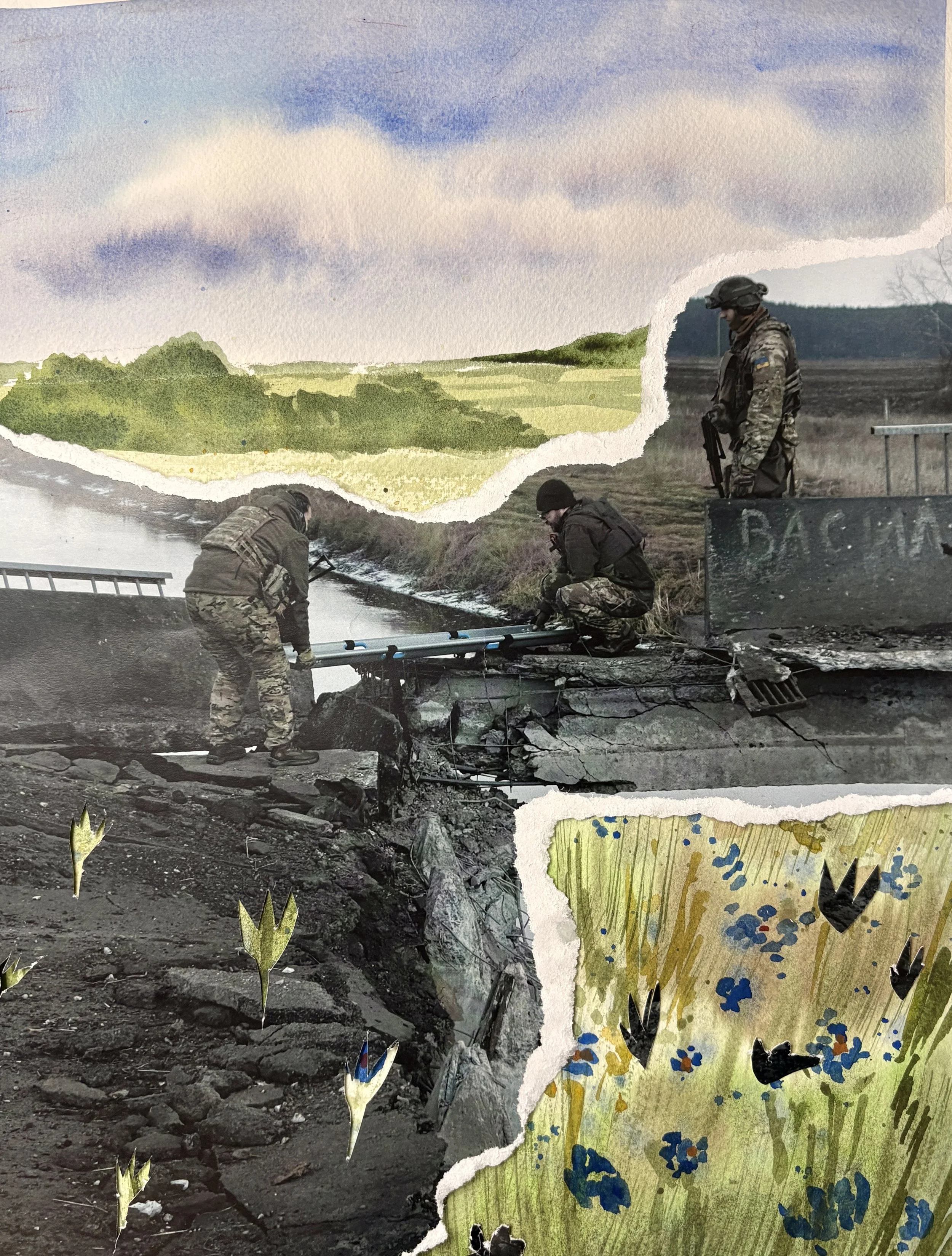
Where do you hope your art will take you next, and what kind of impact would you like your work to have on the people who experience it?
My biggest desire for my art is to know that someone saw it, felt something, and that it made a positive impact on the world around them.
For that reason, I’m currently working on a project about the war in Ukraine, designed to inform people about the impact the war has on the lives of ordinary people back home and here in Canada. I want to remind people that the war is still ongoing, even if we no longer see it in the news as often.
I’m also working on a project about immigration, exploring it as a normal part of life rather than something that should be seen as a danger to local communities. I’ve had multiple experiences where people told me to my face that immigration is awful, only to realize later that I’m an immigrant too. Those experiences have made me think a lot about how differently we can see an issue when we realize there’s a real person standing in front of us who is part of that story.
I truly believe that art can open doors to important conversations, and I hope these projects come to life and reach lots of people over the next few months.
Another important part of my artistic development is teaching art to beginners. I love helping people discover the joy of artistic expression and experience the meditative side of making art, the feeling that, in its own small way, art can help heal the soul.
Follow Yevheniia