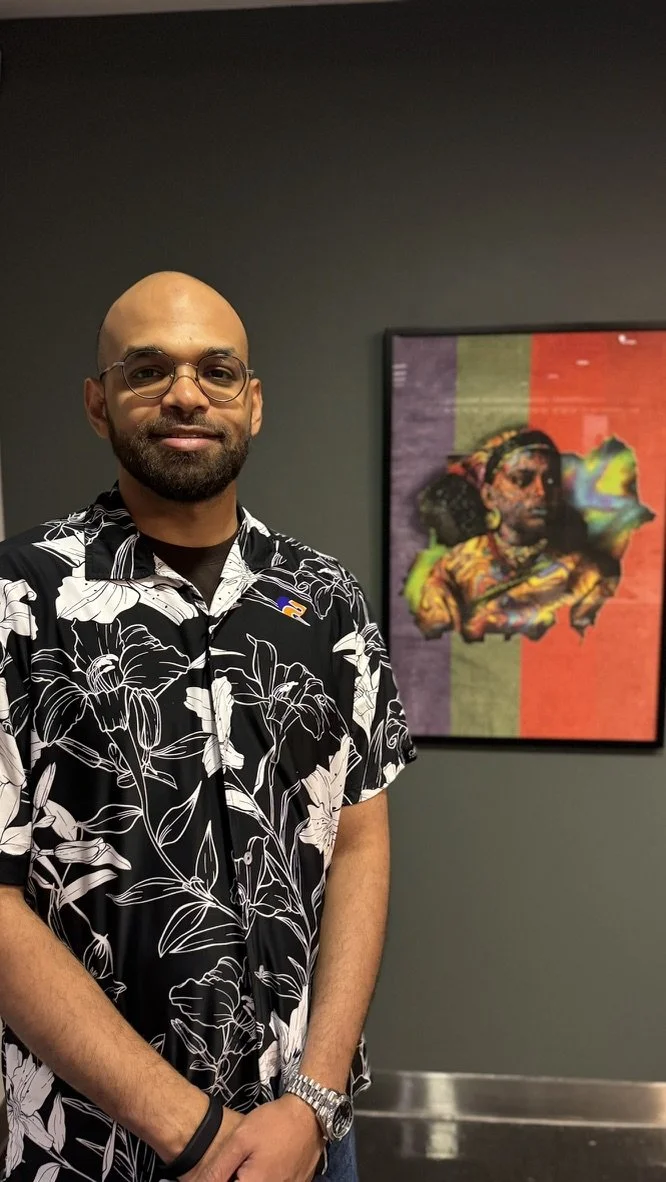
Artist of the Month: November 2026
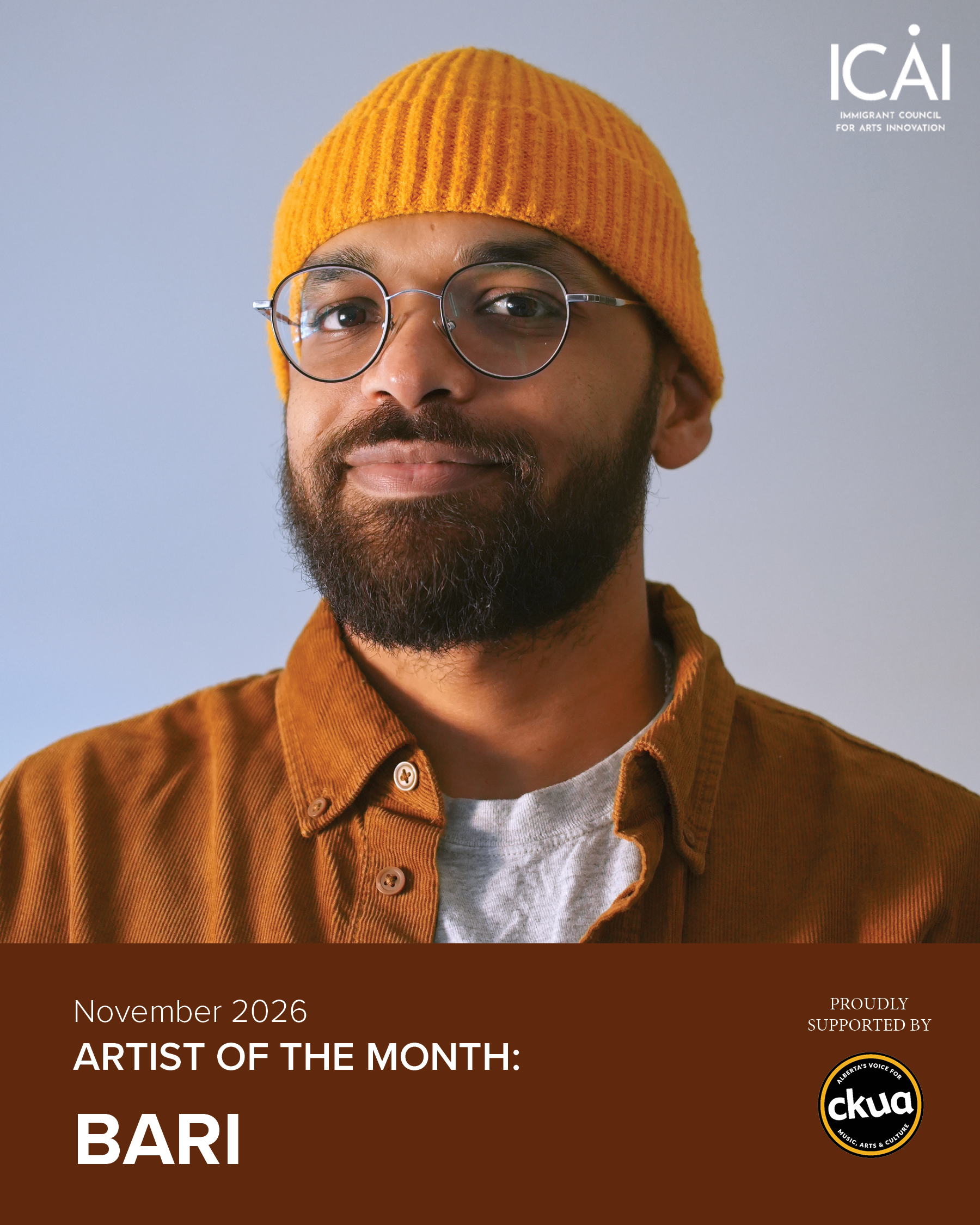
Visual Artist
Based in Edmonton, Alberta
Artist Bio
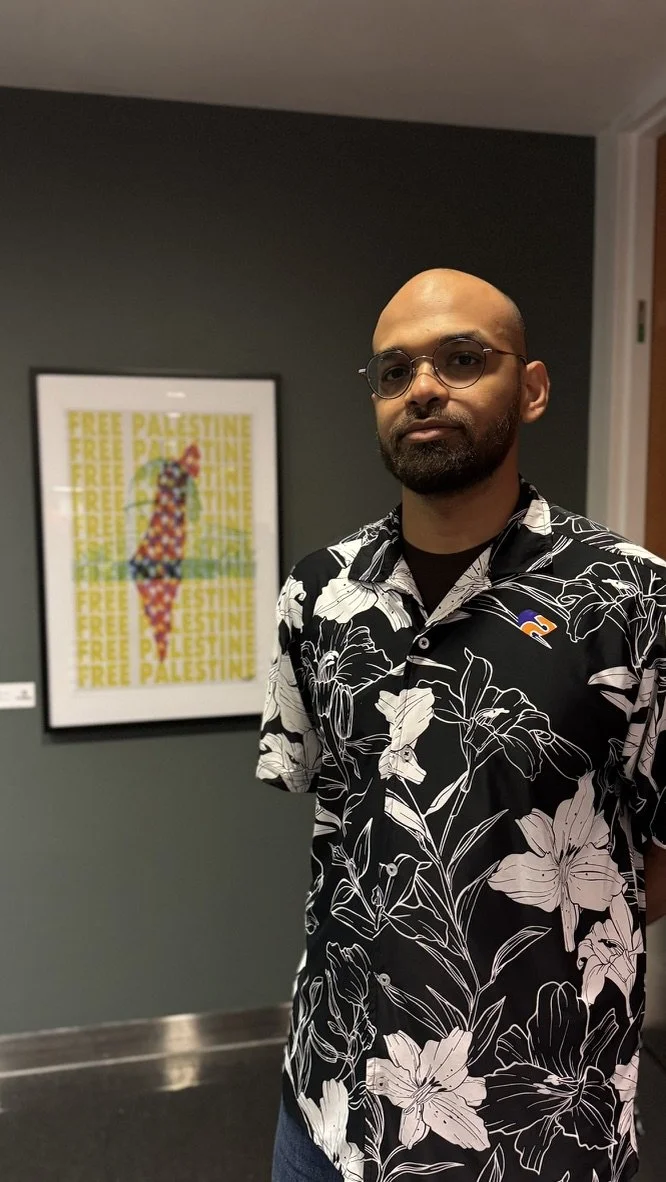
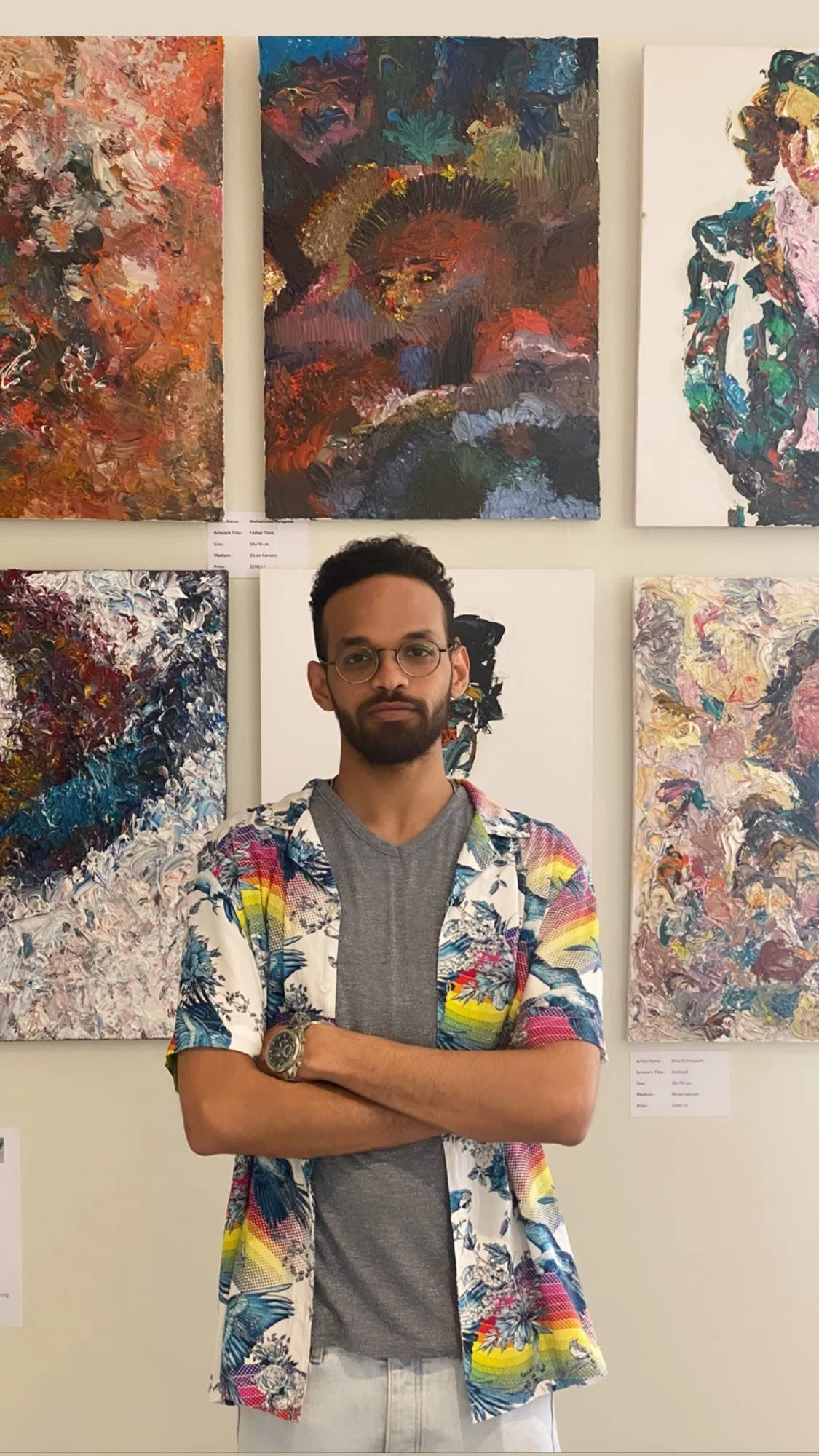
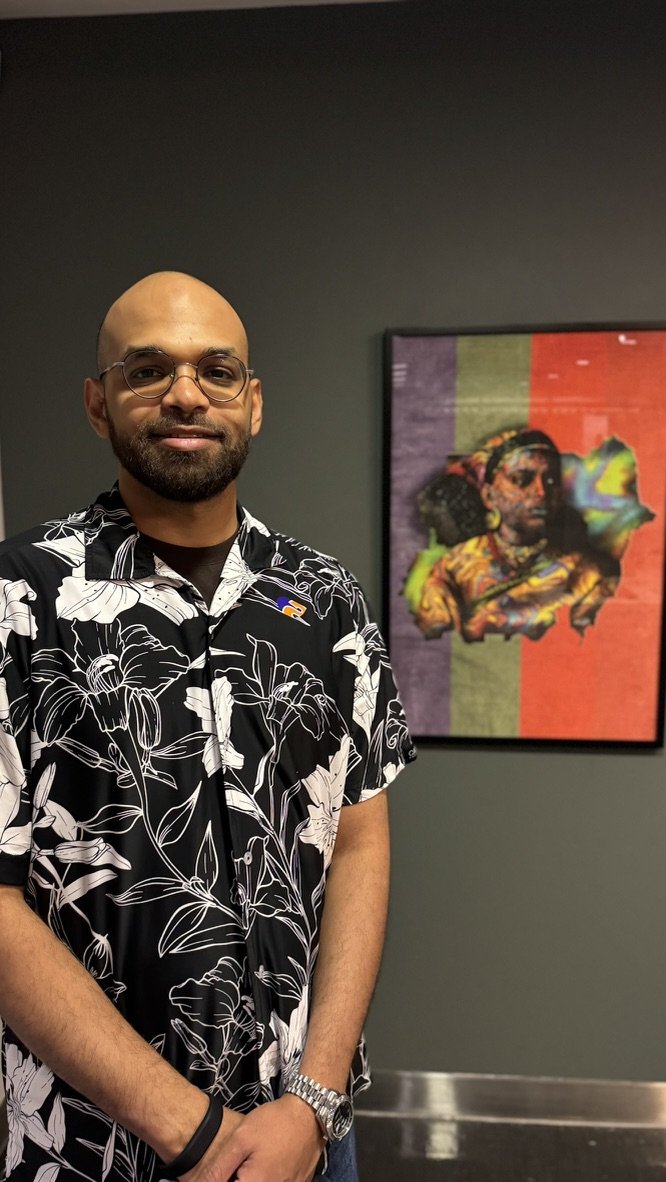
Mohammed Osman, known as “Bari,” is a Sudanese-born digital abstract expressionist based in Edmonton, Alberta. Raised in a Sufi family and trained in architecture, he is a self-taught multidisciplinary artist working across digital abstract expressionism, graphic design, and mixed media. He adopted the name “Bari,” a Sudanese term meaning “I don’t know,” to frame his practice as a never-ending quest for new experiences and knowledge, rather than a fixed identity within the artist community. His work is inspired by spirituality and mysticism, combining intuition and automatic drawing to explore themes of identity, faith, and emotional complexity. His art has been exhibited internationally in Cairo, Paris, Beijing, New York, and Bali. Most recently, Bari joined NAPP Cohort 4 through the Immigrant Council for Arts Innovation and exhibited at the Art Gallery of Alberta as part of “Here I Am” during The Works Art & Design Festival 2026.
Artist Background
I’ve been the odd kid since kindergarten. In art class the teacher gave us pages to color and told us to stay inside the lines. Everyone else did. On my page I colored outside the lines and told her the ice cream had melted. That’s pretty much still how I work.
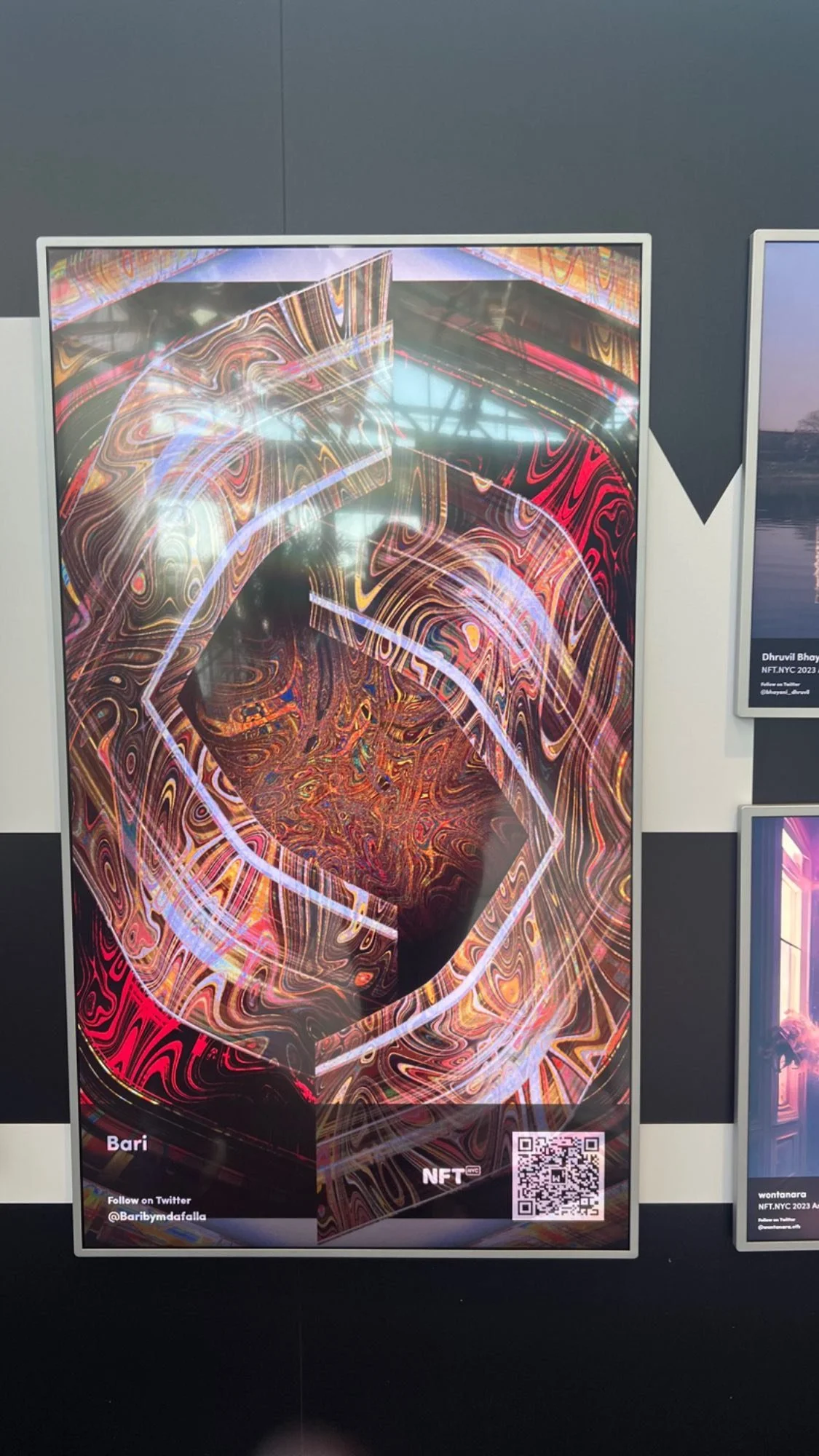
I trained as an architect, which taught me structure. I taught myself graphic design. I moved into abstract painting when I was dealing with anxiety and needed a way to get out of my head, then into digital abstract expressionism, which is my main focus today. My work draws from a Sufi upbringing, so spirituality and mysticism run through everything, but the process itself is intuitive, closer to automatic drawing than planning.
I named the project “Bari,” Sudanese for “I don’t know.” I’ve kept treating the practice as a learning journey ever since.

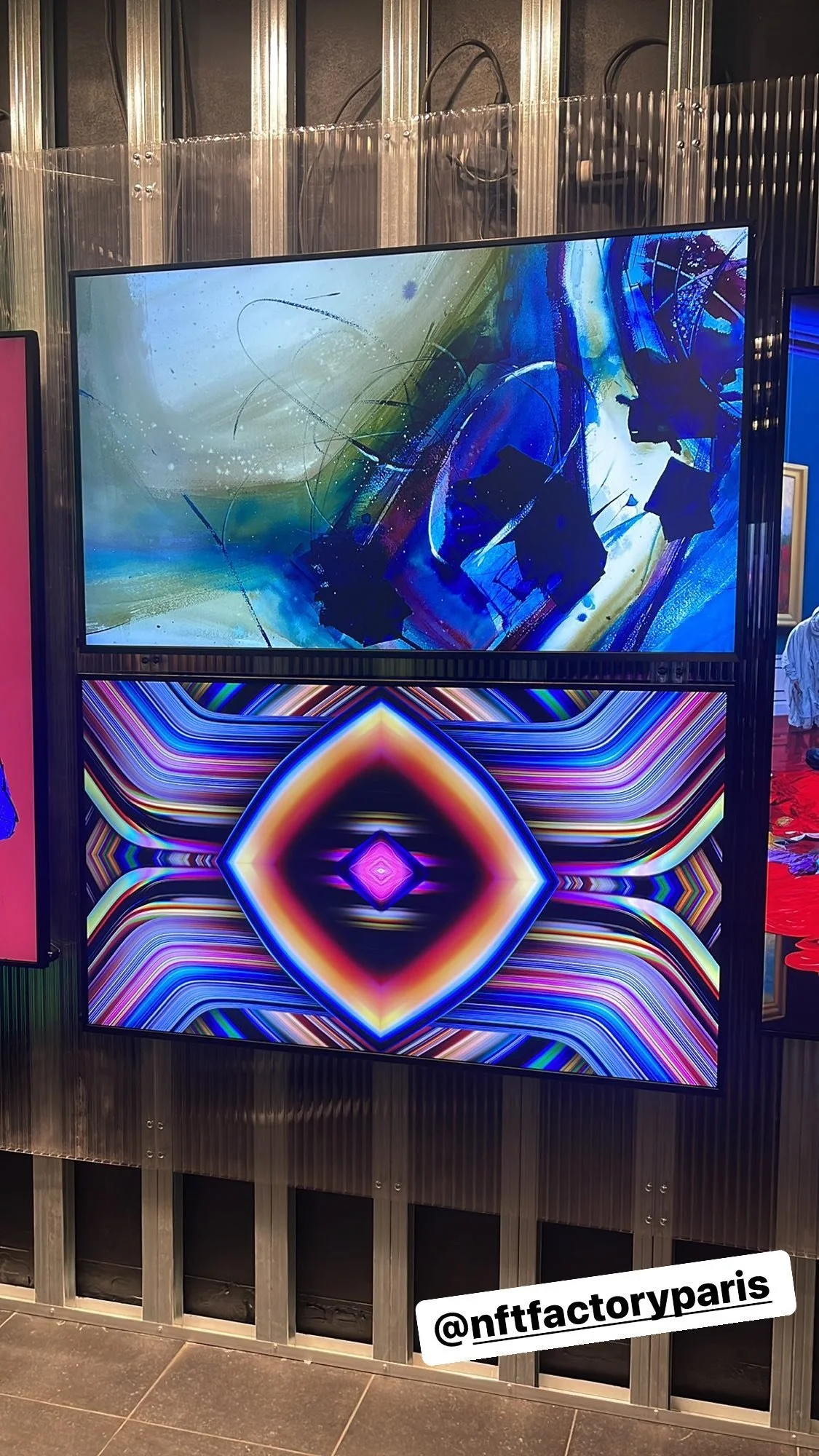
You’ve described yourself as the kid who coloured outside the lines and said, “the ice cream melted.” When did you realize that instinct to break the rules was actually part of who you are as an artist?
That is actually something I haven't really considered consciously, because it has always been normal for me to not follow the given rules and just try to experience things firsthand. Mostly, it worked in my favor. And as I tried to make it part of my art, it served me well there too.
To answer when exactly, looking back, everything that came from that instinct was already there when I started my art journey and noticed that my artworks were not exactly what people consider conventional art, representational things. I just kept going.
“Bari” means “I don’t know.” How has embracing not knowing—rather than trying to have all the answers changed the way you make art and move through life?
Yes, Bari means I don't know, but I did not embrace not knowing and stop trying to have the answers. I embraced that I don't know what I don't know, and I need to look for it somewhere else so I can get the answers. And I wanted to get those answers by experiencing them firsthand.
The goal was never just to get the answer. It was to actually experience the answer and channel it through the art I make, whether that would be a feeling, a thought, or even a real-life experience. It has been a wonderful concept. It allowed me to create some of my favorite artworks, and now they also serve as memories and milestones in my life.
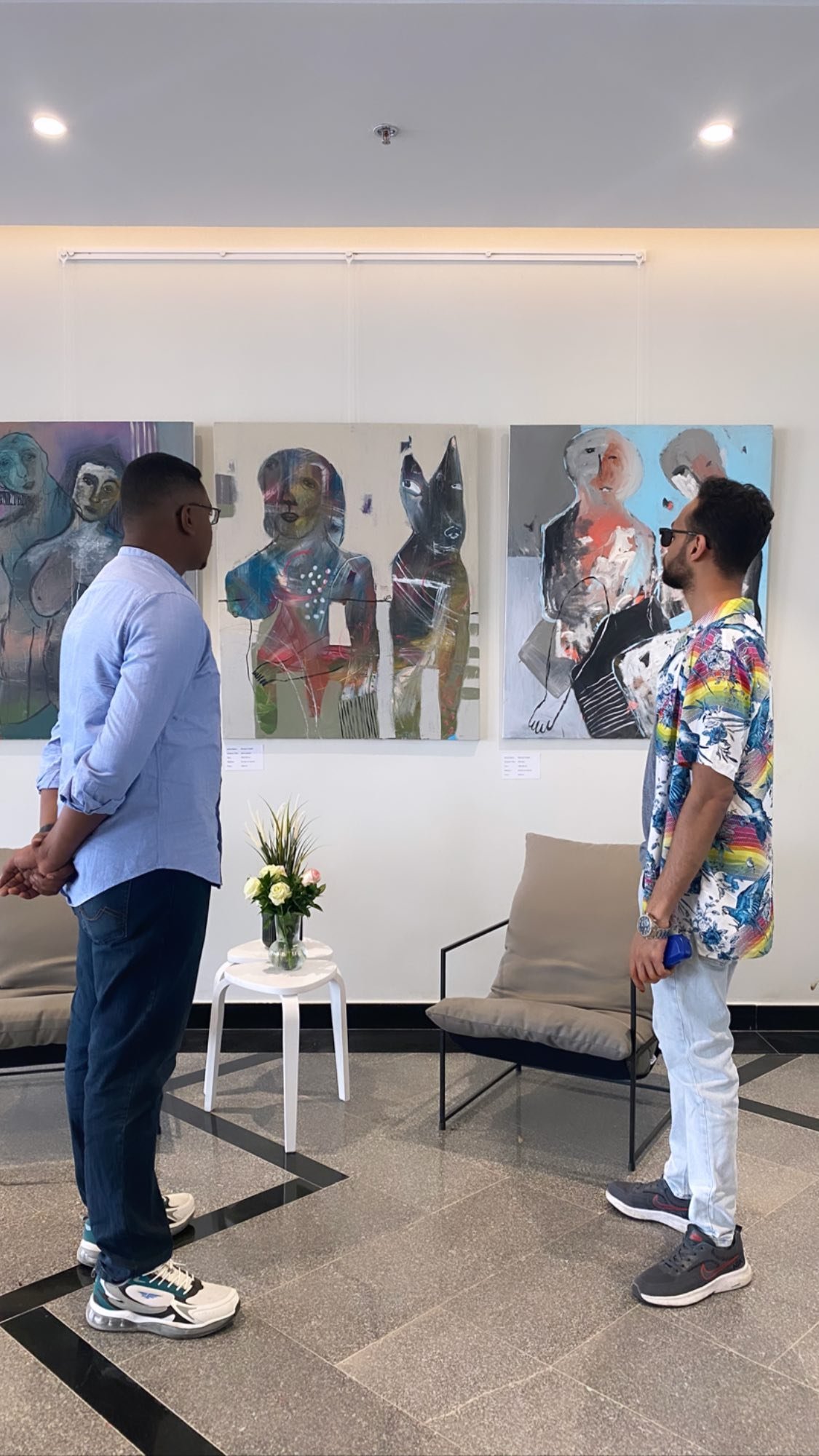
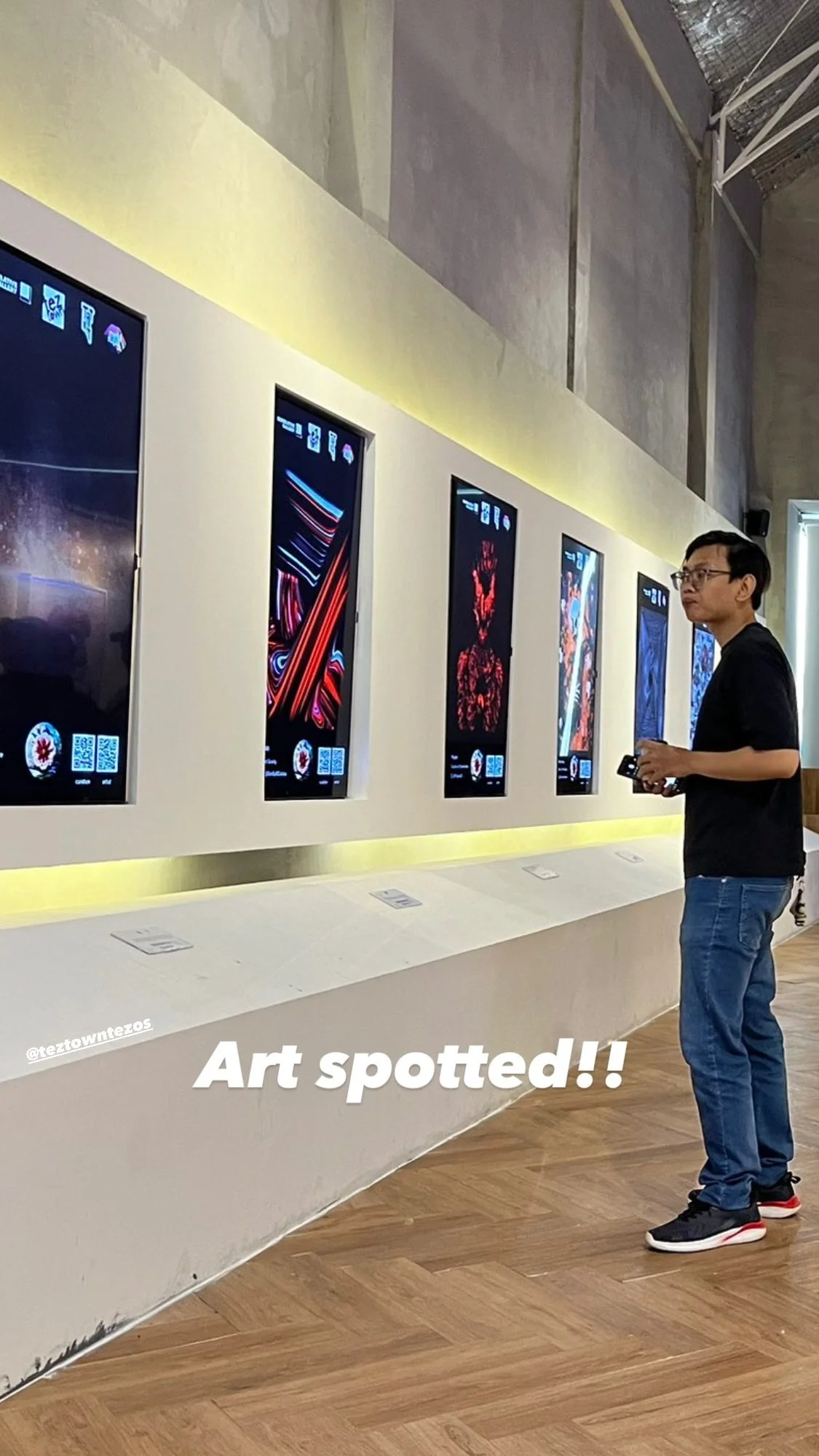
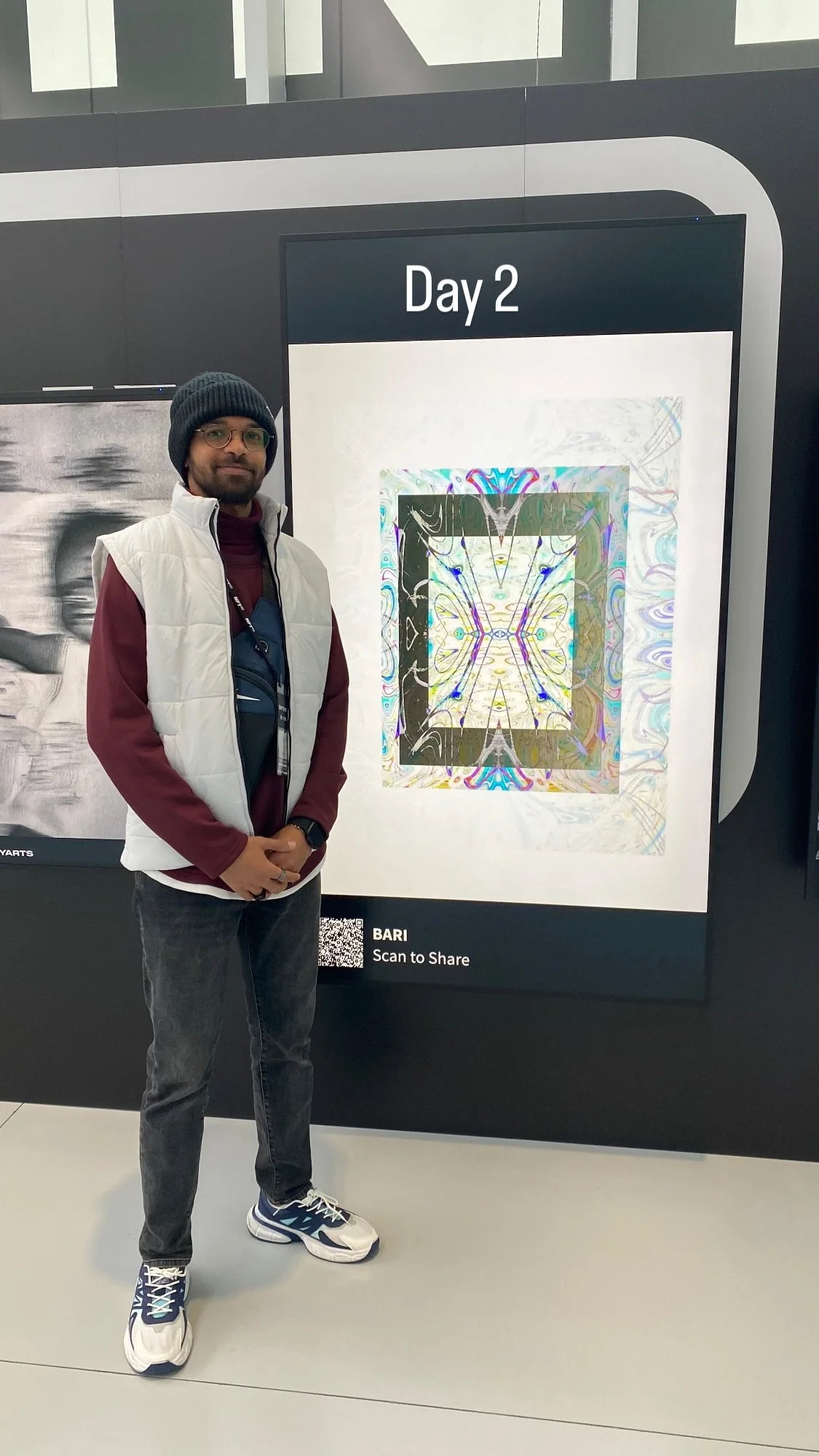
Where do architecture and abstraction meet in your work? Do you ever find yourself caught between the part of you that wants structure and the part that wants complete creative freedom?
Complete creative freedom does not mean a lack of structure. The way I create my artwork was a chaotic process at first, and I wanted it to get some roots so I could build on it. That structure means certain steps that take the piece toward being shown or finalized.
So in my work, they meet as the structure of the steps and the chaos in the process of making the artwork. I create through a process called automatic drawing, where I don't really know what my next brush stroke or pen movement is, or even the subject of the piece. I just try to move with the flow and get something out, following certain steps that eventually lead me to figure out the thing I'm actually thinking about or processing.
You say, “trust the process” and “start messy.” What does that actually look like when you’re creating. Can you take us inside a moment when a work surprised you or became something completely different from what you expected?
If I'm being completely honest, "trust the process" is the mantra I live by. I know some experiences require more effort, and making art is not as easy as it may seem. It is easy to just hold a pen and paper and scribble, but it is hard to make that scribble mean something, or at least evoke a feeling in someone else.
"Trust the process" here means that, regardless of what is happening inside your head or in your life, the moment you start creating is the moment it manifests in real life. It is messy, it is unpredictable, but eventually what is meant to come out will come out. It doesn't need to be the first thing you expected, because there isn't a certain destination. You're just trusting that you will arrive. And you do, as long as you start.
You’re beginning to explore filmmaking, cinematography, and storytelling. If people currently know you through your visual art, what side of Mohammed do you hope they’ll discover through the stories you tell next?
From the start, the whole thought behind my art was to reach people and make them feel something. At one point I wanted to create wallpapers for phones, and honestly, my artworks look great on phone screens. Throughout my art journey, a lot of people have shared screenshots of their phone screens with me, with my artwork on them. They liked it enough to hold it in front of them every time they pick up their phone. I've been lucky enough to be in a couple of "traditional" museums, but for me, that feels better.
Filmmaking is the same idea taken further. It lets me reach people where they are, on their phone screen, on their computer screen, on their TV, and it lets me make them feel something through a story instead of a single image. The stories I want to tell are everyday stories, but from a different perspective, whether that is nostalgia or just some shared experiences we've had as humans. That's the side I hope people discover, the storyteller behind the art. That's it.
Follow BARI